Cost of Building a Swimming Pool in Hunter Valley in 2025

Cost of Building a Swimming Pool in Hunter Valley in 2025

Building a swimming pool in Hunter Valley is a great investment, offering the perfect way to cool off during hot summers and add value to your property. The cost of building a pool in Hunter Valley in 2025 can vary depending on factors like the type of pool you choose, the size, and site-specific conditions. Whether you’re considering a concrete or fiberglass pool, this guide will help you understand the costs and considerations for building a pool in Hunter Valley.
Understanding Pool Pricing in Hunter Valley

Before we dive into the costs, it’s important to understand the factors that impact pool pricing in Hunter Valley. These include:

  • Pool Type: Concrete, fiberglass, and vinyl pools all come with different price points and maintenance costs.
  • Pool Size: While larger pools tend to cost more, the difference may not be as large as expected because equipment like pumps and filters can often stay the same regardless of pool size.
  • Site Conditions: The slope, soil type, and access to your property can significantly affect the total cost.
  • Inclusions: The quality of pool equipment, lighting, heating provisions, and custom features like waterline tiles and coping will influence the overall price.

How Much Does a Pool in Hunter Valley Cost?

Here’s a breakdown of typical pool costs in Hunter Valley:

Concrete Pools

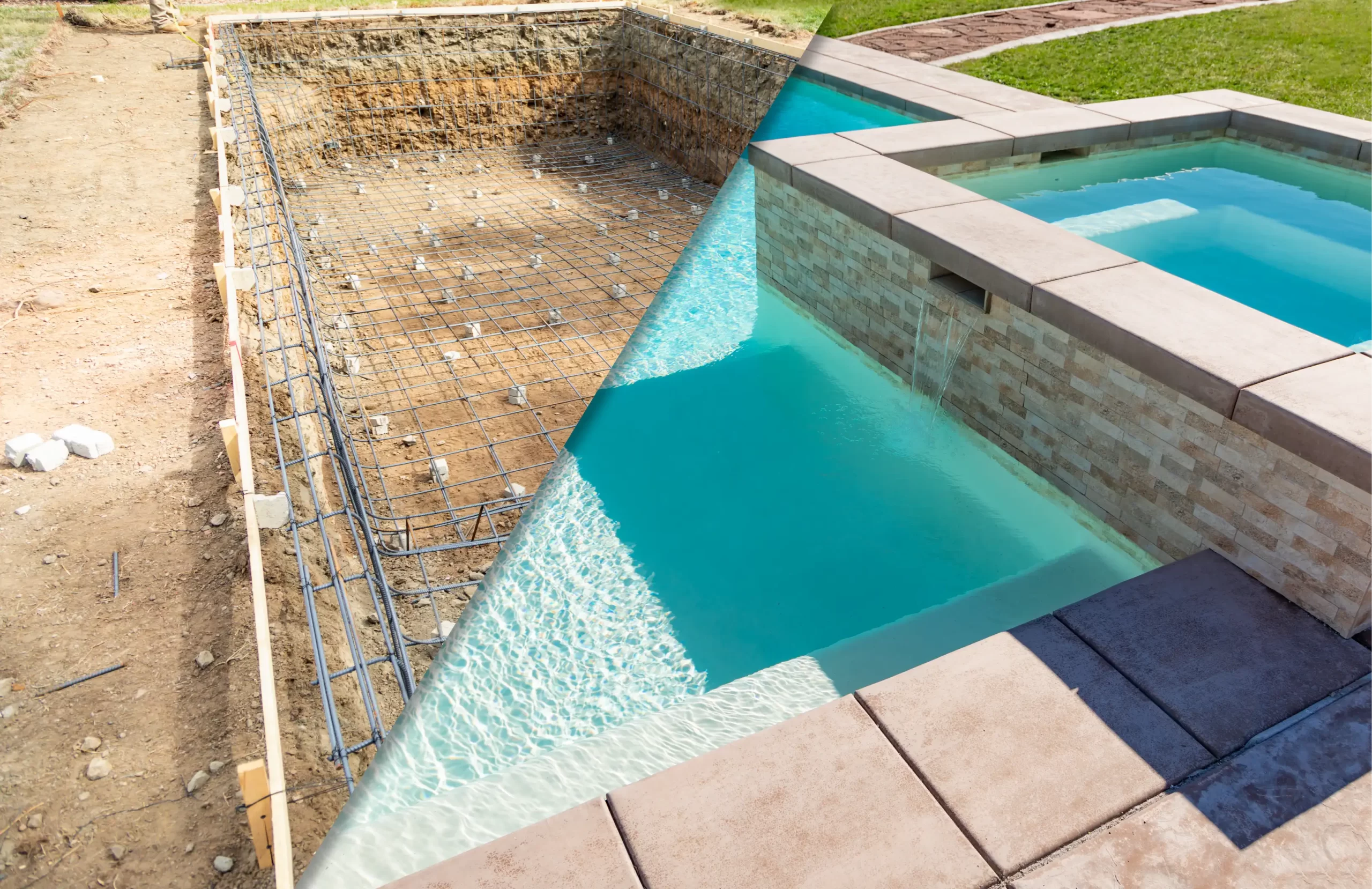
Concrete pools are highly customizable and long-lasting. A family-sized concrete pool (7m x 3m) in Hunter Valley will generally cost between $69,000 and $89,000, depending on the finishes and additional features such as tiling or heating systems.

  • Inclusions for a Mid-Level Concrete Pool:
    • Engineering, certification, and approvals
    • Installation and building insurance
    • Coping and waterline tiles
    • LED pool lighting
    • Suction cleaner and heating provisions

Fiberglass Pools

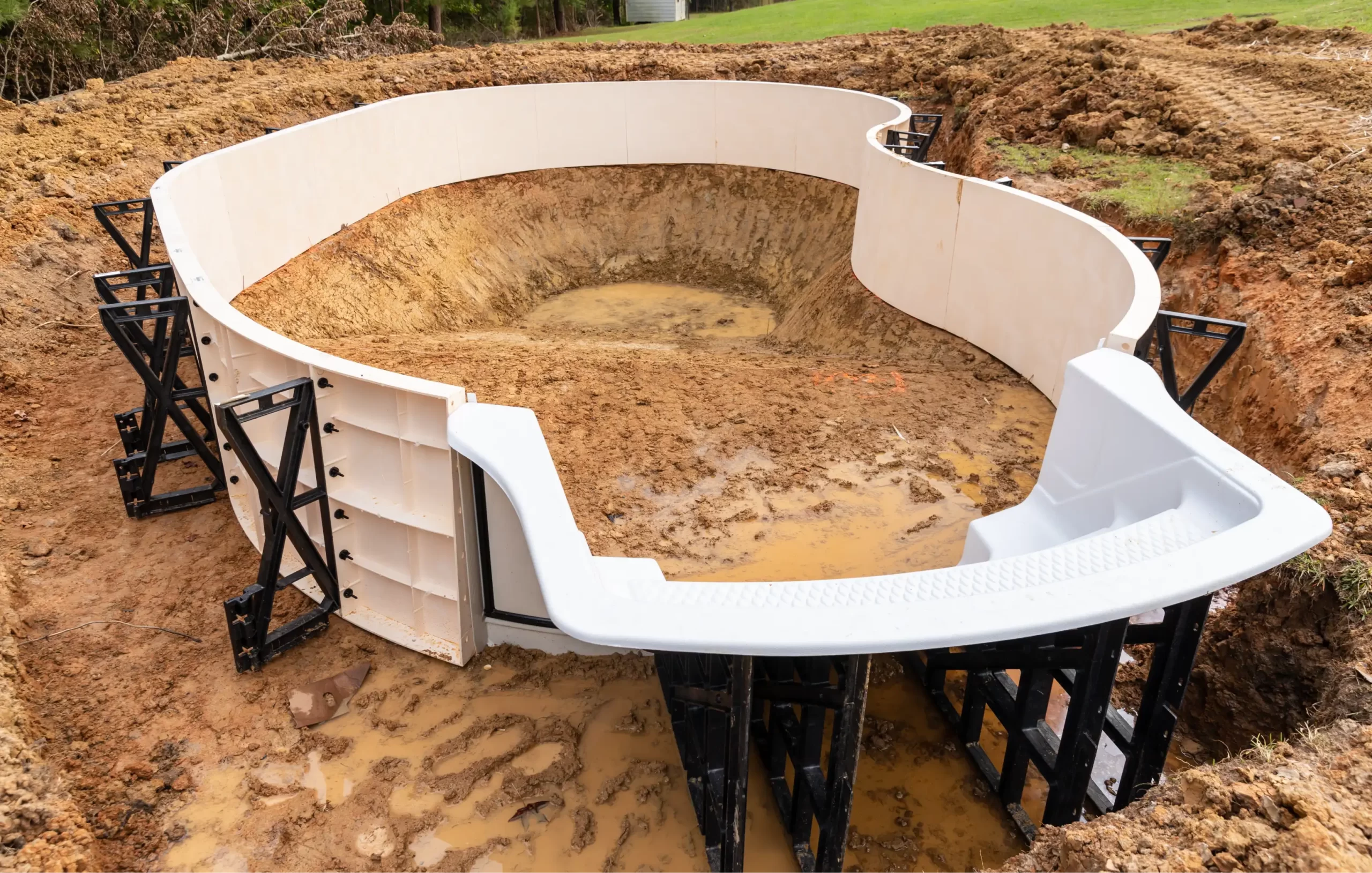
Fiberglass pools are known for their quicker installation and low maintenance. In Hunter Valley, a standard 7m x 3m fiberglass pool typically ranges from $60,000 to $80,000. Fiberglass pools are factory-built, reducing construction time, though they offer fewer customization options than concrete pools.

  • Inclusions for a Mid-Level Fiberglass Pool:
    • Building approvals
    • Pool installation and insurance
    • 1x LED multicolour pool light
    • Pool equipment and suction cleaner
    • 25-year (aka lifetime warranty), depending on the builder

Plunge Pools

Plunge pools are ideal for properties with smaller yards or those seeking a more intimate space for relaxation. In Hunter Valley, plunge pools (typically 6m x 3m or smaller) cost between $50,000 and $74,000, with both fiberglass and concrete options available.

Factors That Affect Pool Prices in Hunter Valley

Several factors unique to your property can influence the final cost of building a pool in Hunter Valley:

  • Access: If your property has easy access, installation costs can be kept lower. However, if access is restricted, such as needing a crane to lift the pool into place, expect additional costs ranging from $3,000 to $10,000.
  • Slope: If your property is sloped, you may need extra structural support, especially for fiberglass and concrete pools, which will add to the overall cost.
  • Soil Conditions: Poor soil conditions may require more extensive excavation and possibly retaining walls, which can increase the cost.
  • Local Regulations: All pools must comply with Hunter Valley safety and building codes, including fencing and specific pool depth requirements.

What’s Not Included in These Prices?

While the base price of the pool is an important part of your budget, there are additional expenses to consider that often aren’t included in the initial quote:

  • Electrical Work: Electrical power provisions for pool equipment will add to the overall cost. This cost could range from a $350 – $3,500
  • Pool Fencing: Legally required, fencing costs range from $250 to $700 per meter, depending on the materials.
  • Landscaping and Extras: Landscaping, decking, gazebos, water features, and spas are usually additional expenses that need separate budgeting.

Does a Pool Add Value to Your Home in Hunter Valley?

A well-constructed swimming pool can increase the value of your home in Hunter Valley. Recent studies show that adding a pool can increase property value by up to 7%. Pools are particularly popular in regions with warmer climates, such as Hunter Valley, where they offer both lifestyle benefits and increased appeal for potential buyers.

Is Financing a Pool a Good Idea in Hunter Valley?

Financing options for pool installation are widely available in Hunter Valley, allowing homeowners to spread the cost of the pool over several years. Many pool builders also offer financing plans with competitive interest rates. Be sure to explore all your financing options with a financial expert to determine the best plan for your budget and goals.

Cost-Saving Tips for Building a Pool in Hunter Valley

Here are a few strategies to save money while building your pool in Hunter Valley:

  1. Compare Quotes: Get multiple quotes from different pool builders to find the best price and inclusions.
  2. Off-Season Installation: Consider building your pool during the off-season when builders may offer discounts or faster installation times.
  3. Energy-Efficient Equipment: Invest in energy-efficient pumps, heaters, and LED lighting to reduce operational costs over time.
  4. DIY Landscaping: If you’re handy with landscaping, you can save a lot by handling the surrounding work yourself.

Summary: What to Expect When Building a Pool in Hunter Valley

In 2024, the cost of building a swimming pool in Hunter Valley ranges from $50,000 to $89,000, depending on the type of pool, its size, and the features you choose. Concrete pools offer greater flexibility for customization, while fiberglass pools are quicker to install and easier to maintain. By considering factors like site conditions and extra features, you can create the perfect backyard retreat that suits your budget and lifestyle.
Cost of Building a Swimming Pool in Central Coast in 2025

Cost of Building a Swimming Pool in Central Coast in 2025

Cost of Building a Swimming Pool in Central Coast in 2025

The Central Coast is a perfect location for a swimming pool, thanks to its coastal climate and outdoor lifestyle. In 2025, the cost of building a pool in Central Coast varies depending on factors like the type of pool you choose, the size, and the conditions of your property. Whether you’re considering a concrete or fiberglass pool, this guide will walk you through the costs and important considerations for building a pool in the Central Coast region.

Cost of Building a Swimming Pool in Central Coast in 2025

Understanding Pool Pricing in Central Coast

When planning to build a pool, several factors can affect the final cost. These include:

  • Pool Type: The material and type of pool—whether concrete, fiberglass, or vinyl—play a large role in determining cost.
  • Pool Size: Larger pools typically cost more, but equipment costs like filters and pumps tend to be similar for pools of comparable sizes.
  • Site-Specific Conditions: Factors like access, slope, and soil conditions can influence the total cost of the project.
  • Inclusions: Features like lighting, heating, and waterline tiles can add to the price, depending on the quality and scope of the project.

How Much Does a Pool in Central Coast Cost?

Here’s a breakdown of the typical costs for different types of pools in Central Coast:

Concrete Pools

Concrete pools offer the highest level of customization and durability. A family-sized concrete pool (7m x 3m) in Central Coast can cost between $69,000 and $89,000, depending on the quality of finishes and any additional features such as custom tiling or high-end filtration systems.

  • Inclusions for a Mid-Level Concrete Pool:
    • Engineering and certification
    • Installation and building insurance
    • Coping and waterline tiles
    • LED multicolour pool light
    • Interior surface finishes and suction cleaner

Fiberglass Pools

Fiberglass pools are known for their quick installation and low maintenance needs. A 7m x 3m fiberglass pool in Central Coast typically costs between $60,000 and $80,000. These pools are pre-molded, which means fewer customisation options, but they come with lower long-term maintenance costs.

  • Inclusions for a Mid-Level Fiberglass Pool:
    • Building approvals
    • Pool installation and insurance
    • 1x LED multicolour pool light
    • Pool equipment and suction cleaner
    • 25-year (aka lifetime warranty), depending on the builder

Plunge Pools

Plunge pools are an excellent option for homes with limited outdoor space. In Central Coast, plunge pools (6m x 3m or smaller) cost between $50,000 and $70,000, with options available in both concrete and fiberglass. These pools are ideal for those seeking a compact and relaxing water feature without the maintenance of a larger pool.

Factors That Affect Pool Prices in Central Coast

Several property-specific factors can influence the cost of building a pool in Central Coast:

  • Access: If your property has easy access, installation costs can be kept lower. If a crane is required to lift the pool into place due to restricted access, expect additional costs ranging from $3,000 to $10,000.
  • Slope: If your property has a slope, you may need additional structural support for the pool, especially with fiberglass or concrete pools, which can add to the overall price.
  • Soil Conditions: Challenging soil conditions may require more extensive excavation or the addition of retaining walls, adding to the total cost.
  • Local Regulations: Compliance with Central Coast regulations for safety features such as fencing or pool depth will also affect the overall budget.

What’s Not Included in These Prices?

While the base pool price is essential to budget for, there are additional costs that often aren’t included in the initial quote:

  • Electrical Work: Electrical power provisions for pool equipment will add to the overall cost. This cost could range from a $350 – $3,500
  • Pool Fencing: Legally required, fencing costs range from $250 to $700 per meter, depending on the materials.
  • Landscaping and Extras: Landscaping, decking, gazebos, water features, and spas are usually additional expenses that need separate budgeting.

Does a Pool Add Value to Your Home in Central Coast?

A well-designed pool in Central Coast can enhance both your lifestyle and the value of your home. Research shows that a swimming pool can add up to 7% to a property’s market value. For homeowners looking to increase their home’s appeal, especially in a coastal region where outdoor living spaces are highly prized, a pool is a significant draw for potential buyers.

Is Financing a Pool a Good Idea in Central Coast?

Many homeowners in Central Coast choose to finance their pool installation to spread out the cost over time. Financing options are available at competitive interest rates, and many pool builders offer flexible payment plans. Be sure to explore financing options with a financial expert to determine what works best for your situation.

Cost-Saving Tips for Building a Pool in Central Coast

Here are some strategies to save money on your pool project in Central Coast:

  1. Get Multiple Quotes: Always compare quotes from several pool builders to find the best deal.
  2. Plan for the Off-Season: Installing a pool during the off-season may result in discounts or faster installation times.
  3. Opt for Energy-Efficient Equipment: While they might come with a higher upfront cost, energy-efficient pool pumps, heaters, and LED lighting will save you money in the long run.
  4. DIY Landscaping: Handling the landscaping yourself can save thousands on labour costs.

Summary: What to Expect When Building a Pool in Central Coast

In 2025, the cost of building a swimming pool in Central Coast ranges from $50,000 to $89,000, depending on the type of pool, its size, and the customisations you choose. Concrete pools offer flexibility in design, while fiberglass pools are quicker to install and easier to maintain. By considering factors like site conditions and additional features, you can create the perfect backyard oasis and make an informed decision.

Cost of Building a Swimming Pool in Newcastle in 2025

Cost of Building a Swimming Pool in Newcastle in 2025

Cost of Building a Swimming Pool in Newcastle in 2025

Building a swimming pool in Newcastle is a fantastic way to enhance your outdoor space and boost the value of your home. In 2025, pool prices in Newcastle vary based on the type of pool, its size, and site-specific factors. Whether you’re considering a concrete or fiberglass pool, this guide will provide you with the essential information to understand the costs involved in building a pool in Newcastle.

Cost of Building a Swimming Pool in Newcastle in 2025

Understanding Pool Pricing in Newcastle

Before diving into the specific costs, it’s important to understand the factors that influence pool pricing in Newcastle. These include:

  • Pool Type: Concrete, fiberglass, and vinyl pools each come with different price points and long-term maintenance costs.
  • Pool Size: While larger pools generally cost more, the price difference may not be as large as you expect, depending on the equipment and materials used.
  • Site Conditions: Factors like site access, slope, and soil conditions can affect the final cost of the project.
  • Inclusions: The quality of equipment, lighting, heating, and finishing materials such as pavers and fencing will impact the overall price.

How Much Does a Pool in Newcastle Cost?

Here’s an estimate of the costs for different pool types in Newcastle:

Concrete Pools

Concrete pools are known for their customisation and durability. A standard 7m x 3m family-sized concrete pool in Newcastle can cost anywhere from $69,000 to $89,000. This wide range reflects varying levels of quality and additional features like premium tiling or heating systems.

  • Inclusions for a Mid-Level Concrete Pool:
    • Engineering, certification, and approvals
    • Installation and insurance
    • Coping and waterline tiles
    • 1x LED multicolor pool light
    • Pool heating provisions
    • Interior surface finishes

Fiberglass Pools

Fiberglass pools are often chosen for their quick installation and low maintenance. In Newcastle, a standard 7m x 3m fiberglass pool ranges from $60,000 to $80,000. Fiberglass pools are factory-made and generally offer fewer customisation options, but their durability and easy maintenance make them a popular choice.

  • Inclusions for a Mid-Level Fiberglass Pool:
    • Building approvals
    • Pool installation and insurance
    • 1x LED multicolor pool light
    • Pool equipment and suction cleaner
    • 25-year (aka lifetime warranty), depending on the builder

Plunge Pools

For smaller spaces, plunge pools are a great option. These compact pools (typically 6m x 3m or smaller) in Newcastle cost between $48,000 and $68,000, with fiberglass and concrete options available. While plunge pools are smaller, they offer the same luxury and relaxation benefits with reduced water and maintenance requirements.

Factors That Affect Pool Prices in Newcastle

The cost of building a pool in Newcastle depends on various property-specific factors, such as:

  • Access to the Property: If your property has wide and easy access, there are usually no extra charges. However, if access is restricted, requiring the use of a smaller digger or even hand-digging, you may incur additional costs. Crane use for installation could add $3,000 to $10,000 to the project if needed.
  • Site Slope: A flat site typically won’t add extra costs, but a sloped site may require additional structural support, especially for fiberglass or custom concrete pools.
  • Soil Conditions: Poor soil conditions may require more excavation or the addition of a retaining wall, increasing the cost.
  • Local Regulations: Newcastle pool installations must comply with local safety and building codes, which can involve costs for approvals, inspections, and required safety features such as fencing.

What’s Not Included in These Prices?

It’s important to factor in additional costs that are often not included in standard pool quotes:

  • Electrical Work: Electrical power provisions for pool equipment will add to the overall cost. This cost could range from a $350 – $3,500
  • Pool Fencing: Legally required, fencing costs range from $250 to $700 per meter, depending on the materials.
  • Landscaping and Extras: Landscaping, decking, gazebos, water features, and spas are usually additional expenses that need separate budgeting.

Does a Pool Add Value to Your Newcastle Home?

A swimming pool boosts the value of your home in Newcastle, particularly in the hot summer months when pools are in high demand. According to recent data, a well-designed pool can add up to 7% to your property’s market value. Beyond financial value, a pool offers lifestyle benefits—turning your backyard into a personal oasis where you can relax, entertain, and spend time with family.

Is Financing a Pool a Good Idea in Newcastle?

Many homeowners in Newcastle opt to finance their pool installation, which can spread out the cost over time. With competitive interest rates and flexible payment plans, financing might allow you to enjoy your pool sooner without the burden of paying upfront. Be sure to consult with a financial advisor to explore your options and choose a plan that works best for your budget.

Cost-Saving Tips for Building a Pool in Newcastle

Building a pool is a significant investment, but there are ways to save money without sacrificing quality:

  1. Get Multiple Quotes: Compare prices from several reputable pool builders in Newcastle to find the best deal.
  2. Plan the Timing: Installing a pool during the off-season may result in lower costs and shorter wait times.
  3. Energy-Efficient Equipment: Investing in energy-efficient pumps, heaters, and LED lighting can reduce your long-term operational costs.
  4. DIY Landscaping: If you have a green thumb, doing your own landscaping can save you thousands on labor costs.

Summary: What to Expect When Building a Pool in Newcastle

In 2025, the cost of building a 7m x 3m pool in Newcastle ranges from $50,000 to $89,000, depending on the pool type, size, and additional features. Concrete pools offer greater customisation but come at a higher cost, while fiberglass pools provide a faster, low-maintenance solution. Understanding the costs and factors that influence pricing will help you plan your dream pool and make informed decisions throughout the project.

Energy-Efficient Pool Equipment: Save Money and Swim Green

Energy-Efficient Pool Equipment Save Money and Swim Green

Energy-Efficient Pool Equipment: Save Money and Swim Green

As energy costs rise and environmental concerns grow, many homeowners are looking for ways to make their pools more energy efficient. The good news is that fiberglass pools, already known for their low maintenance and durability, can be paired with energy-efficient equipment to reduce operating costs and minimise environmental impact. From pool pumps to heating solutions, this guide will walk you through the best ways to save energy—and money—while enjoying your pool to the fullest.

Energy-Efficient Pool Equipment Save Money and Swim Green
  1. Energy-Efficient Pool Pumps: Circulate Smarter, Not Harder

Your pool pump is one of the most energy-intensive pieces of equipment. Traditional single-speed pumps run at full power all the time, consuming a lot of electricity. In contrast, newer energy-efficient pool pumps, such as variable-speed pumps, adjust the speed based on need, which can save significant amounts of energy.

Benefits of Variable-Speed Pumps:

  • Lower Energy Consumption: Variable-speed pumps use up to 70% less energy than traditional single-speed pumps by running at lower speeds when full power isn’t needed.
  • Longer Lifespan: These pumps don’t work at full speed constantly, which reduces wear and tear and extends their lifespan, ultimately saving on replacement costs.
  • Quiet Operation: Variable-speed pumps are much quieter than traditional pumps, enhancing your poolside experience.
  1. 50mm PVC Piping: Boost Efficiency and Save More

Another great way to enhance the energy efficiency of your pool system is by using 50mm PVC piping. This piping reduces the hydraulic resistance of the water flow, which means your pool pump doesn’t have to work as hard to circulate the water. The result? Less energy consumption, which translates to lower electricity bills over time.

Benefits of 50mm PVC Piping:

  • Reduced Hydro Resistance: The larger diameter of 50mm piping allows water to flow more easily, reducing the strain on your pool pump and improving overall energy efficiency.
  • Lower Energy Costs: By reducing the pump’s workload, you’ll save on energy and reduce maintenance costs.
  • Faster Circulation: The smoother flow allows for quicker water turnover, keeping your pool cleaner with less effort.
  1. Pool Heaters: Pair Solar Power with an Inverter Heater for Maximum Efficiency

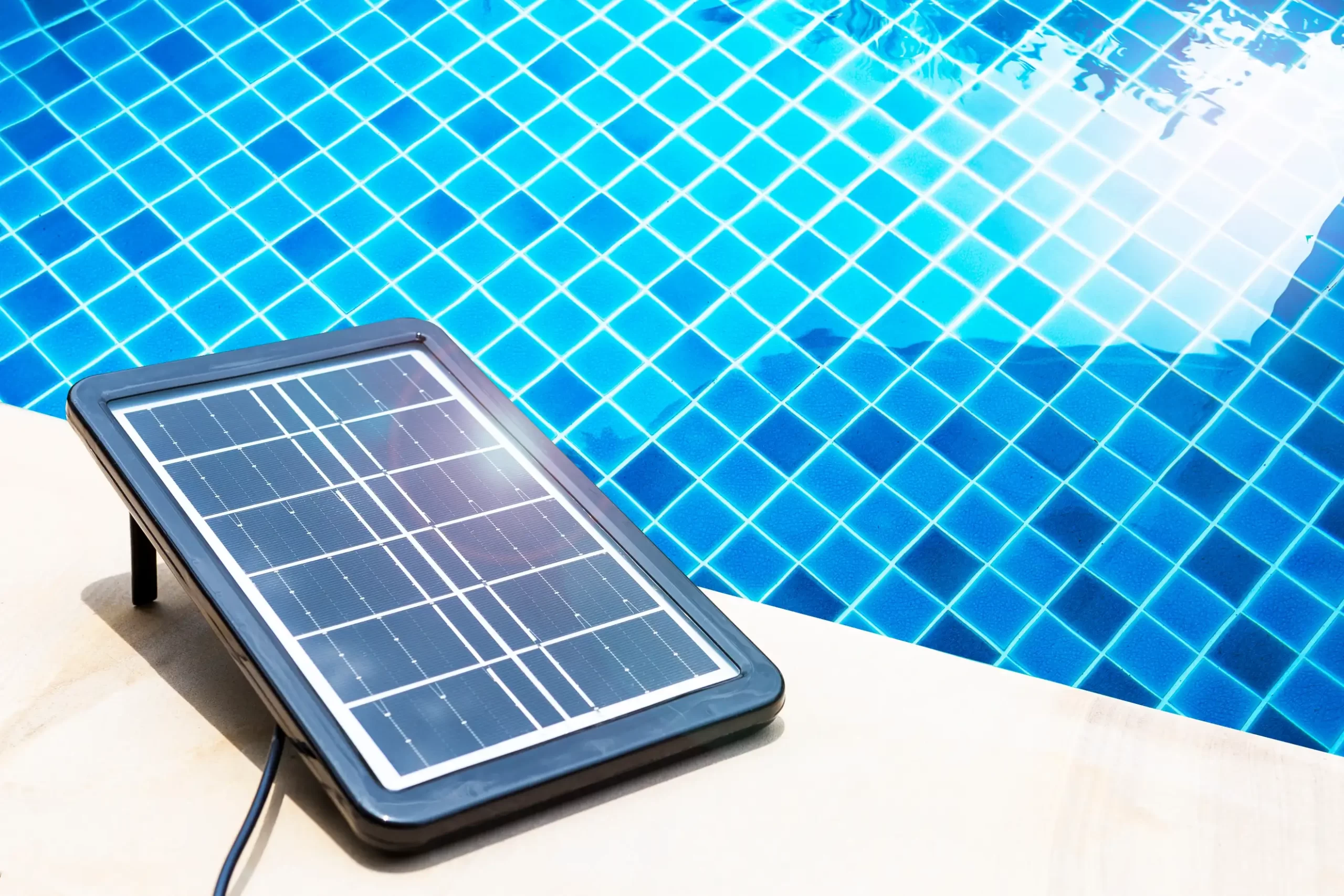
Heating your pool can be costly, especially if you’re relying on traditional gas or electric heaters alone. A smart solution is to pair an inverter heater with a solar power system for your home. This pairing can significantly reduce your heating costs and environmental footprint. Alternatively, if you have the space, move to a solar pool heating solution.

Benefits of Solar Pool Heater:

  • Harness the Sun’s Power: Solar heaters use sunlight to warm your pool, making them one of the most eco-friendly and cost-effective options available.
  • Virtually Free to Operate: Once installed, solar pool heaters have minimal operating costs, as they rely solely on solar energy.
  • Environmentally Friendly: By using solar energy, you minimize your pool’s reliance on electricity or gas, reducing your carbon footprint.
  1. Pool Covers: Simple Yet Effective Energy Savers

Using a pool cover is one of the easiest and most cost-effective ways to conserve energy. A cover helps reduce evaporation, prevent heat loss, and minimize the work required from your pool heater.

Types of Pool Covers:

  • Solar Covers: These covers capture the sun’s heat and transfer it to the water, helping to naturally warm your pool and retain heat overnight.
  • Automatic Pool Covers: For added convenience, automatic covers can be deployed or retracted with the push of a button, offering both energy savings and increased safety.

By using a pool cover when the pool is not in use, you reduce the need for constant heating and minimise the evaporation of water, leading to energy and water savings.

  1. LED Pool Lighting: Bright Ideas for Energy Efficiency

If you enjoy nighttime swimming or hosting poolside events, energy-efficient lighting is a must. Traditional incandescent lights consume a lot of energy and have shorter lifespans compared to modern LED lights.

Benefits of LED Pool Lighting:

  • Lower Energy Use: LEDs consume up to 80% less energy than incandescent bulbs.
  • Longer Lifespan: LED lights last up to 25 times longer, reducing replacement costs and waste.
  • Customisable Options: Many LED lights offer remotes with color-changing features, allowing you to set different moods for your pool area.

Switching to LED pool lighting is a great way to enhance the atmosphere of your pool while reducing your energy consumption.

  1. Efficient Filtration Systems: Cleaner Water with Less Energy

Your pool’s filtration system is key to maintaining clean water. Modern, energy-efficient filtration systems are designed to operate effectively while consuming less energy. Cartridge filters, for example, are highly efficient and require less maintenance compared to Media (sand or glass) or DE (diatomaceous earth) filters.

Benefits of Cartridge Filters:

  • Energy Efficiency: Cartridge filters reduce the resistance to water flow, meaning your pump works less to circulate the water.
  • Easy Maintenance: They require less frequent cleaning and backwashing, saving both water and energy.
  • Superior Filtration: Cartridge filters capture finer particles, keeping your pool water cleaner.
  1. Automating Pool Maintenance: Smart Pool Technology

Automation systems for pools are gaining popularity, allowing you to control your pool’s equipment from your smartphone or computer. These systems can optimise energy use by adjusting settings based on time of day, temperature, or personal preferences.

Benefits of Pool Automation:

  • Energy Savings: Automation systems can schedule your pool pump, heater, and lighting to operate only when needed, reducing unnecessary energy consumption.
  • Convenience: You can control your pool settings from anywhere, ensuring optimal energy use and comfort.
  1. Energy-Efficient Pool Equipment: A Win-Win for the Environment and Your Wallet

While investing in energy-efficient pool equipment might involve higher upfront costs, the long-term savings on your energy bills and the positive environmental impact make it a smart choice. From pumps to heaters to lighting, there are numerous ways to make your pool greener while still enjoying your backyard oasis.

Conclusion: Swim Green, Save Green

Energy-efficient pool equipment provides the perfect balance of cost savings and environmental responsibility. By upgrading your pool pump, heater, and filtration system and incorporating simple solutions like pool covers and LED lighting, you can enjoy your pool year-round while significantly reducing your energy consumption. Over time, you’ll save money on your energy bills and help protect the environment—all while enjoying a sustainable, eco-friendly swimming experience.

Chlorine vs. Saltwater vs. Mineral vs. Freshwater Pools: Choosing the Best Water System for Your Fiberglass Pool

Chlorine vs. Saltwater vs. Mineral vs. Freshwater Pools Choosing the Best Water System for Your Fiberglass Pool

Chlorine vs. Saltwater vs. Mineral vs. Freshwater Pools: Choosing the Best Water System for Your Fiberglass Pool

When selecting the right water system for your fiberglass pool, it’s essential to understand the pros and cons of each option. The most popular choices are chlorine, saltwater, mineral, and freshwater pools. Each system offers unique benefits, so it’s important to choose one that suits your family’s needs and preferences.

In this guide, we’ll compare these water types to help you make an informed decision.

Chlorine vs. Saltwater vs. Mineral vs. Freshwater Pools Choosing the Best Water System for Your Fiberglass Pool
  1. Chlorine Pools: The Classic Choice

Chlorine pools have long been the standard for pool owners. Chlorine is a powerful sanitiser that keeps pool water clean by killing bacteria and other harmful microorganisms. However, there are some trade-offs to consider.

Pros:

  • Effective Sanitisation: Chlorine is highly effective at preventing bacteria, algae, and contaminants.
  • Affordable Setup: Chlorine pools typically cost less to install.
  • Widely Available: Chlorine and related products are easy to find.

Cons:

  • Chemical Odor: Some people find the chlorine smell unpleasant.
  • Skin and Eye Irritation: Chlorine can irritate sensitive skin and eyes.
  • Frequent Maintenance: Chlorine levels require regular testing, and shock treatments are needed to maintain water quality.
  1. Saltwater Pools: A Softer, Gentler Option

Saltwater pools have become more popular due to their softer feel and lower maintenance. While they still generate chlorine through a salt chlorinator, the chlorine level is typically lower than in traditional pools.

Pros:

  • Lower Chemical Use: Chlorine is produced naturally, so you don’t have to handle chemicals.
  • Gentler on Skin and Eyes: Saltwater tends to be less irritating than traditional chlorine.
  • Reduced Maintenance: With chlorine being generated automatically, you’ll need less frequent testing and adjustments.

Cons:

  • Higher Initial Cost: Saltwater systems cost more to install due to the chlorinator.
  • Chlorinator Maintenance: The salt cell needs regular cleaning and may need replacing every few years.
  • Corrosion Risk: Saltwater can be harsh on certain pool equipment and surrounding landscapes, requiring more durable materials.
  1. Mineral Pools: The Eco-Friendly Option

Mineral pools are becoming popular for their natural approach to water sanitisation. These pools use minerals, such as magnesium and potassium, alongside a salt chlorinator to keep water clean and balanced.

Pros:

  • Gentle on Skin and Hair: The minerals create softer water, which is refreshing and therapeutic.
  • Environmentally Friendly: They require fewer chemicals, making them an eco-conscious choice.
  • Low Maintenance: These pools are easier to maintain with fewer chemicals.

Cons:

  • Higher Initial Cost: The cost of installation is typically higher due to the mineral delivery system.
  • Limited Availability: Mineral pool supplies may be harder to find in some areas.
  • Less Sanitisation Power: While effective, mineral pools may still need some chlorine for optimal sanitation.
  1. Freshwater Pools: A Chemical-Free Alternative

Freshwater pools have become increasingly popular due to their reduced reliance on chemicals and natural, refreshing water quality. They use copper and silver minerals to purify and disinfect the water.

Pros:

  • Reduced Chemical Dependency: The system uses minimal chemicals, relying on natural minerals for purification.
  • Enhanced Durability: The system is gentle on pool equipment, reducing wear and tear compared to saltwater systems.
  • Low Maintenance Costs: Freshwater pools incur fewer maintenance costs over time with reduced reliance on chemicals.
  • Environmental Benefits: The system reduces chemical runoff, promoting sustainability and a healthier ecosystem.

Cons:

  • Higher Initial Cost: The installation cost is Considerably higher.
  • Limited Knowledge: Finding pool maintenance professionals experienced with these systems can be difficult.
  1. Comparing Water Types: Which Is Right for You?

Here’s a quick comparison of the water systems to help you decide:

Factor

Chlorine Pool

Saltwater Pool

Mineral Pool

Freshwater Pool

Initial Cost

$

$$

$$$

$$$$

Ongoing Cost

$$$$

$$

$$

$

Maintenance

Regular testing, frequent chemicals

Less frequent testing, automatic chlorine production

Low maintenance, automated chlorine and fewer chemicals

Minimal maintenance and chemicals

Irritation Potential

Can cause irritation

Gentler on skin and eyes

Soft, therapeutic water, reduced irritation

Best for sensitivities

Eco-Friendliness

Uses chemicals

Reduced chemicals, but still uses some

Eco-friendly with fewer chemicals

Most eco-friendly

Sanitisation Power

Highly effective

Effective with chlorine

Effective, may need extra sanitiser

Effective without extra sanitiser

  1. Considerations for Fiberglass Pools

All water systems—chlorine, saltwater, mineral, and freshwater—are compatible with fiberglass pools. When choosing, consider your family’s swimming habits, maintenance preferences, and skin sensitivities. No matter which option you pick, a fiberglass pool will provide a clean, refreshing swimming experience.

Conclusion: Choosing the Right System for Your Pool

The best pool water system depends on your preferences and lifestyle. If you prioritize low maintenance and a gentle swim, a saltwater pool might be your ideal choice. For a more natural, eco-friendly alternative, a mineral or freshwater pool could be a great fit. Take time to weigh the advantages and select the system that best meets your needs.

The Ultimate Pool Maintenance Guide for Fiberglass Pools

The Ultimate Pool Maintenance Guide for Fiberglass Pools

The Ultimate Pool Maintenance Guide for Fiberglass Pools

Fiberglass pools are known for their low-maintenance appeal, but like any pool, they still require regular care to ensure they stay clean, safe, and ready for swimming. Whether you’re a first-time pool owner or simply looking for ways to make your pool maintenance routine more efficient, this ultimate guide will walk you through everything you need to know about maintaining a fiberglass pool.

The Ultimate Pool Maintenance Guide for Fiberglass Pools
  1. Cleaning Your Fiberglass Pool: Easy and Stress-Free

One of the greatest advantages of fiberglass pools is their smooth, non-porous surface, which naturally resists algae buildup. This means you won’t have to scrub as often or deal with stubborn stains that can plague concrete pools. However, routine cleaning is still necessary to keep your pool looking its best.

  • Skimming the Surface: Use a pool skimmer/net to remove leaves, bugs, and other debris from the surface of the pool. Doing this regularly helps keep the water clean and reduces strain on your filtration system.
  • Brushing the Walls: Even though fiberglass pools are algae-resistant, brushing the pool walls occasionally prevents any buildup. A soft brush is ideal for keeping the walls clean without damaging the surface.
  • Vacuuming the Pool Floor: While fiberglass pools are less likely to accumulate dirt, it’s a good idea to vacuum the pool floor each week. You can use a manual vacuum or invest in an robotic pool cleaner to make this task easier.
  1. Balancing Pool Water Chemistry

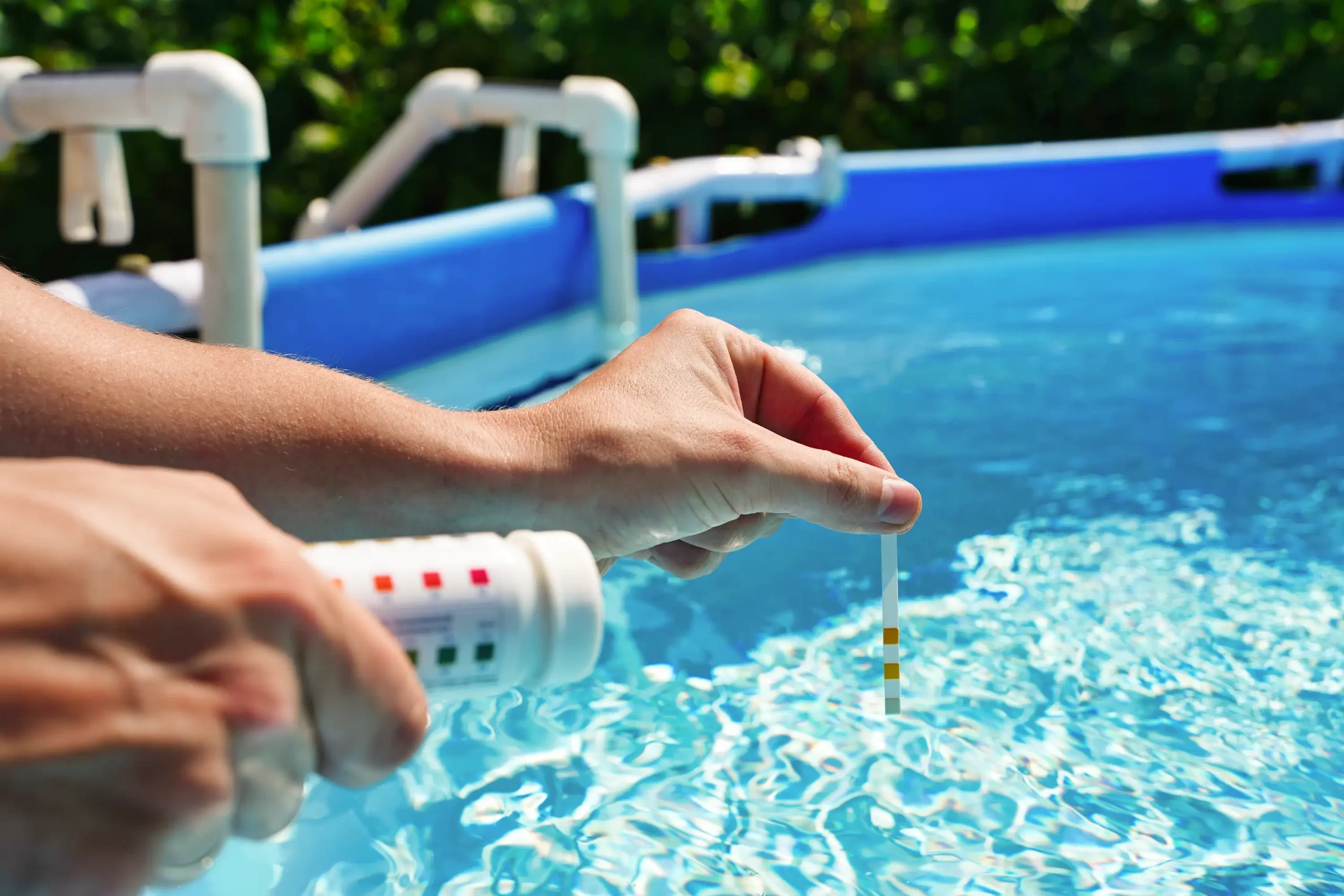
Maintaining balanced pool water is crucial for the health of swimmers and the longevity of your pool. Fiberglass pools, thanks to their non-porous surface, are less susceptible to chemical imbalances, but regular testing is still important.

  • pH Levels: Aim to keep the pH between 7.2 and 7.6. If the pH is too high or too low, it can cause eye irritation and damage to the pool’s surface.
  • Alkalinity: Keeping alkalinity levels between 80 and 120 ppm helps stabilise your pool’s pH, making it easier to maintain balanced water chemistry.
  • Chlorine: Whether you have a traditional chlorine pool or a saltwater system, maintaining the right chlorine levels (1-3 ppm) is essential for keeping the water clean and free from bacteria.
  • Calcium Hardness: Although not as critical for fiberglass pools as it is for concrete, maintaining the right calcium levels (200-400 ppm) prevents corrosion of pool equipment.

It’s a good idea to test your pool water at least once a month, or more regularly during summer months, at your local pool shop. Regular testing ensures that your pool’s water chemistry stays balanced and safe for swimming.

  1. Seasonal Maintenance for Fiberglass Pools

Just as your pool requires regular care during the swimming season, it also needs seasonal maintenance to ensure it stays in top condition year-round.

  • Spring Opening: As the weather warms up, it’s time to open your pool for the season. Start by removing any winter covers, cleaning the pool, and testing the water chemistry.
  • Summer Care: During the hot months, you’ll want to test your water chemistry more frequently and keep up with regular cleaning. High temperatures can cause chemical imbalances, so stay on top of testing pH and chlorine levels.
  • Fall Closing: As swimming season comes to an end, close your pool by cleaning it thoroughly, balancing the water chemistry, and covering it to protect against debris and colder weather. Don’t forget to test the water chemistry each month over winter to maintain a healthy pool.
  1. Pool Equipment Maintenance

Fiberglass pools require less maintenance overall, but keeping your equipment in good working condition is key to ensuring your pool runs efficiently.

  • Pool Pump: Once a month, clean out the filter basket to remove debris that could clog the system.
  • Pool Filter: Once a month, rinse off the cartridge filter with a hose (don’t use a high-pressure cleaner) or, if you have a media (sand or glass) filter, complete a backwash.
  • Heater: If your pool has a heater, inspect it regularly to ensure it’s working properly. Keeping the heater free from obstructions (like leaves or debris) helps it run efficiently and last longer.
  • Sanitiser: For saltwater and mineral pools, inspect the cell and, if required, clean it periodically to remove any calcium buildup. This ensures the chlorinator functions effectively and keeps your pool’s water clean. For a freshwater system, inspecting the copper and or silver elements for calcium buildup and always follow the manufacturers guidelines.
  1. Preventative Measures: Keeping Your Pool in Great Shape

Beyond regular maintenance tasks, there are a few simple preventative measures you can take to ensure your fiberglass pool stays in excellent condition for years to come:

  • Use a Pool Cover: Covering your pool when it’s not in use helps keep debris out, reduces evaporation, and prevents chemical imbalances. A cover also protects your pool from harsh weather and reduces heating costs if you use a solar cover.
  • Maintain Proper Water Levels: Keep your pool’s water level about halfway up the skimmer or higher to ensure proper filtration and circulation.
  • Monitor for Cracks: While fiberglass pools are incredibly durable, occasionally inspect the surface for any cracks or damage. If you spot any small issues, address them quickly to prevent larger problems down the line.
  • Gel Coat Care: The gel coat above the water line can get a cloudy over time. Just like your car or boat the gel coat could do with a quick polish. It may be worth lowering the water level to the bottom of the skimmer box opening and giving the gel coat a little marine grade cut and polish to keep your pool looking fantastic.
  1. Chlorine, Saltwater, Mineral and Freshwater Pools: Maintenance Differences

Whether you have a saltwater or chlorine system, both types of pools require regular maintenance, but there are a few key differences.

  • Chlorine Pools: For traditional chlorine pools, you’ll need to manually add chlorine or use a chlorine dispenser. Test your water regularly to ensure proper chlorine levels, and adjust chemical levels as needed.
  • Saltwater Pools: These pools require less maintenance overall because the salt chlorinator produces chlorine automatically. However, you’ll still need to clean the salt cell regularly and monitor salt levels (typically 3,500-5,500 ppm).
  • Mineral Pools: Like a saltwater pool these pools require less maintenance overall because the salt chlorinator produces chlorine automatically. However, you’ll still need to clean the salt cell regularly and monitor salt levels (typically 2,500-3,500 ppm). You’ll also need to ensure you maintain the mineral levels. This should be tested at your local pool shop.
  • Freshwater Pools: This can vary from system to system, and you are recommended to stick to your manufacturers guidelines.

Conclusion: Simple Maintenance for Long-Lasting Fun

Fiberglass pools are one of the easiest types of pools to maintain, making them a favourite choice for busy families. With a simple cleaning routine, regular water testing, and occasional equipment checks, you can keep your pool in perfect condition year-round. By following these maintenance tips, you’ll spend less time worrying about upkeep and more time enjoying your backyard oasis.

Safety First: How Fiberglass Pools Provide a Safer Swimming Experience

Safety First: How Fiberglass Pools Provide a Safer Swimming Experience

When it comes to pool ownership, safety is always the number one priority, especially for families with young children or older adults. If you’re considering installing a pool in your backyard, fiberglass pools offer several safety advantages that make them a great choice for families who want peace of mind without compromising on fun.

In this blog post, we’ll explore how fiberglass pools provide a safer swimming experience and offer tips on how to maximize pool safety for everyone in your household.

  1. Smooth, Non-Abrasive Surfaces

One of the standout features of fiberglass pools is their smooth, non-abrasive surfaces. Unlike concrete pools, which can be rough on the skin and cause scrapes or abrasions, fiberglass pools are designed to be gentle. This is especially important for young children who are learning to swim and might accidentally bump into the sides or bottom of the pool.

The smooth surface also reduces the risk of cuts and injuries, making the pool safer for everyone, including older adults who may have more sensitive skin.

  1. Built-In Safety Features

Many fiberglass pools come with built-in safety ledges and shallow areas, which provide a safe space for children or less confident swimmers to play and practice swimming. These ledges give kids the ability to stand or rest in the water without needing to be in deeper areas of the pool.

In addition, some fiberglass pool models come with gradual entries, like tanning ledges or beach entries, where the water depth increases slowly. This feature is perfect for small children, elderly family members, or anyone who prefers a gentle slope rather than stepping into deep water right away.

  1. Non-Slip Surfaces for Pool Decking

When customising the pool area around your fiberglass pool, it’s important to choose materials that offer slip resistance. Pool decks made of concrete, pavers, or tiles (check for suitable slip rating) can be designed with textures that reduces the likelihood of slipping, making the entire area safer, especially when wet.

Fiberglass pools, combined with non-slip decking materials, create an environment where children and adults alike can move around the pool without the constant worry of slipping.

  1. Pool Covers and Fencing for Extra Protection

While fiberglass pools themselves offer several safety advantages, it’s essential to invest in additional protective measures like pool covers and fencing.

  • Pool Covers: Automatic or manual pool covers can provide an additional layer of safety when the pool is not in use. Not only do they keep debris out of the water, but they also prevent children or pets from accidentally falling in.
  • Fencing: A pool fence is a legal requirement, and it’s a vital safety measure for any backyard pool. Choose fencing that is tall enough to prevent children from climbing over and ensure that it has a secure, self-closing gate.

Installing both pool covers and fencing can be an effective way to keep your pool secure when it’s not in use.

  1. Easy-to-Clean Surfaces Reduce Water Quality Issues

Maintaining clean and safe water is key to preventing accidents and health issues related to poor water quality. Fiberglass pools are known for their smooth, non-porous surfaces, which prevent algae buildup and reduce the need for heavy chemical usage. This ensures that your pool water remains cleaner and safer for swimmers.

Additionally, because fiberglass pools are easier to clean and maintain, there’s less risk of water becoming murky or chemically imbalanced, which can sometimes lead to accidental slips or poor visibility.

  1. Easy Compatibility with Saltwater, Mineral or freshwater pools

Saltwater, mineral or freshwater pools are often preferred for families because they offer a gentler and more natural swimming experience. Fiberglass pools are highly compatible with these systems, which means you can enjoy the benefits of soft, low-irritant water without the harsh chemicals found in traditional chlorine pools.

These pools also reduce the risk of skin and eye irritation, making swimming a more comfortable and enjoyable experience, particularly for children and people with sensitive skin.

  1. Safety During Installation

Fiberglass pools are pre-molded and delivered to your home ready for installation, which reduces the overall installation time compared to concrete pools. This means less construction happening in your backyard for an extended period, which can be a safety concern when kids and pets are around. A faster installation process minimises the disruption and reduces potential hazards associated with ongoing construction.

Maximizing Pool Safety: What You Can Do

While fiberglass pools offer built-in safety features, there are several steps you can take to maximize safety around your pool:

  1. Teach Water Safety: Ensure that everyone in the family, especially children, understands water safety rules, including not running near the pool and always swimming with a buddy.
  2. Supervise Swimmers: Always supervise children when they are in or near the pool. Even confident swimmers can have accidents, so it’s important to keep an eye on everyone.
  3. Use Life Vests: For younger children or less confident swimmers, consider using life vests or floatation devices when they are in the pool.
  4. Install Pool Alarms: Pool alarms can alert you when someone enters the water, providing an extra layer of safety, particularly if you have young children.

Conclusion: A Safer Pool Experience for the Whole Family

Fiberglass pools offer numerous safety advantages, from their smooth, non-abrasive surfaces to built-in safety ledges and compatibility with saltwater, mineral or freshwater sanitisation pool systems. By combining these features with essential safety measures like pool covers, fencing, and proper supervision, you can create a safe and enjoyable swimming environment for everyone in the family.

Whether you’re planning for fun pool days with the kids or relaxing swims in the evening, a fiberglass pool ensures that safety is built into the experience from the start.

10 Creative Ways to Customise Your Pool Area

10 Creative Ways to Customise Your Pool Area

10 Creative Ways to Customise Your Pool Area

While fiberglass pools offer plenty of benefits, one of their key advantages is the flexibility to design and customise the space around the pool. Even though the pool shell itself cannot be customised, the surrounding area offers endless possibilities for creating your perfect backyard oasis. Whether you’re looking for functional enhancements or a space that’s aesthetically pleasing, this blog will walk you through 10 creative ways to customise your pool area.

10 Creative Ways to Customise Your Pool Area
  1. Add a Beautiful Pool Deck with Pavers or Concrete

The material surrounding your pool is critical for both safety and aesthetics. Pavers and concrete are popular choices for creating durable, slip-resistant pool decks. Concrete is versatile and can be stamped, coloured, or textured to mimic other materials like stone or tile. Pavers, on the other hand, offer flexibility in design and pattern, and they come in various colours to match your home’s aesthetic.

Pavers and concrete are not only functional but also add an element of elegance to your pool area, making it more visually appealing and safer for your family.

  1. Incorporate Landscaping for a Natural Look

Surrounding your pool with greenery can create a more relaxing and private space. Choose low-maintenance plants that can thrive near water, such as grasses, succulents, or flowering shrubs. Plants with large leaves can provide natural shade, while taller shrubs or trees can act as a natural barrier for privacy.

You can also integrate planter boxes or raised flower beds into the poolside design, which adds a personal touch to the overall look.

  1. Install Shade Structures for Sun Protection

Umbrellas, pergolas, awnings, and shade sails are fantastic additions to any poolside space. Not only do they protect your family from the sun, but they also create a cozy, shaded area for lounging. You can choose from freestanding umbrellas, which offer flexibility, or install a permanent awning or pergola that matches your home’s design.

Shade structures also help keep the pool cooler on hot days, making it more enjoyable for swimming.

  1. Create a Lounge Area for Poolside Relaxation

A comfortable seating area next to the pool can transform your backyard into an outdoor living space. Think about adding reclining chairs, outdoor sofas, or even daybeds with waterproof cushions. If space allows, consider adding a dining table or outdoor kitchen area for poolside meals with friends and family.

By creating a designated lounge area, your pool area becomes more than just a place to swim—it becomes a space where everyone can relax and enjoy the outdoors.

  1. Enhance Your Pool with Water Features

A simple fiberglass pool can be elevated with the addition of water features like fountains, waterfalls, or bubblers. These features add an element of luxury and create a calming ambiance with the sound of flowing water.

Water features also enhance the aesthetic appeal of your pool, turning it into the centerpiece of your backyard.

  1. Install Pool Lighting for Nighttime Ambiance

Pool lighting not only extends the time you can spend in your pool but also adds a beautiful ambiance to the space at night. LED lights are energy-efficient and come in various colours, allowing you to create different moods for evening swims or poolside parties.

You can install lights directly in the pool or along the surrounding deck to highlight features like landscaping or water features.

  1. Include a Fire Pit for Year-Round Enjoyment

A fire pit or outdoor fireplace is a great addition to any pool area, especially if you want to extend the use of your outdoor space into cooler months. Fire pits provide warmth and create a cozy atmosphere for evening gatherings around the pool.

Many homeowners choose to position the fire pit near the pool lounge area, creating a seamless transition between swimming and socializing.

  1. Add a Poolside Bar or Outdoor Kitchen

For families who love to entertain, a poolside bar or outdoor kitchen can be a fantastic addition. An outdoor kitchen allows you to prepare and serve meals without ever leaving the pool area. You can add a built-in grill, a small fridge, and even a bar counter with seating.

This setup is perfect for pool parties, barbecues, or simple family dinners by the water.

  1. Use Decorative Pool Fencing for Safety and Style

Pool fencing is essential for safety, especially if you have young children, but it doesn’t have to be purely functional. You can choose from a variety of materials and styles, such as glass panels for a modern look, wooden pickets for a rustic touch, or wrought iron for a more traditional feel.

Fencing that complements the overall design of your backyard can enhance the visual appeal while keeping safety in check.

  1. Integrate a Spa for Ultimate Relaxation

If you want to take your backyard to the next level, consider adding a spa or hot tub adjacent to your pool. A spa provides a relaxing space to unwind, and it’s especially appealing in cooler weather. You can even connect the spa to your pool, allowing for a seamless transition between the two.

Adding a spa creates a luxurious environment where you can relax year-round, making your backyard a true retreat.

Conclusion: Personalise Your Poolside Oasis

Although fiberglass pools themselves may not be customisable, the area around your pool offers endless opportunities for personalisation. From pavers and landscaping to water features and outdoor seating, there are countless ways to turn your pool area into a customised outdoor oasis. By incorporating these creative elements, you can make your pool space truly unique and enjoyable for years to come.

The Real Cost of Owning a Fiberglass Pool: Budgeting Tips for Families

The Real Cost of Owning a Fiberglass Pool Budgeting Tips for Families

The Real Cost of Owning a Fiberglass Pool: Budgeting Tips for Families

If you’re thinking about installing a pool in your backyard, it’s important to understand the full cost of pool ownership. While fiberglass pools are often praised for being affordable in the long run, there are upfront and ongoing expenses to consider before taking the plunge. In this blog, we’ll break down the real cost of owning a fiberglass pool and provide budgeting tips to help families make the best financial decisions.

The Real Cost of Owning a Fiberglass Pool Budgeting Tips for Families

Initial Costs of Installing a Fiberglass Pool

When you first look into installing a fiberglass pool, the upfront costs may seem a bit higher compared to other pool types like vinyl. However, when you take into account installation, materials, and long-term maintenance, fiberglass pools often come out as a more cost-effective option.

  1. Pool Shell: The cost of the fiberglass pool shell can vary depending on its size and shape. Typically, a standard fiberglass pool shell ranges between $20,000 and $60,000, but this cost can increase for larger or more intricate designs.
  2. Installation: Installation costs for fiberglass pools are lower than for concrete pools. The pre-molded design of fiberglass pools means they can be installed more quickly, usually within a few weeks, which also reduces labor costs.
  3. Excavation and Landscaping: Excavation for your pool will add to the overall cost, especially if your backyard has complex grading or obstructions. In addition to the pool, you may want to budget for landscaping, concrete or pavers for poolside areas, and shade options like umbrellas or awnings.
  4. Pool Equipment: Don’t forget to include the cost of essential equipment like pool pumps, filters, heaters, and lighting. The type of water system you choose (chlorine, salt, mineral or freshwater) will also impact the cost.

Long-Term Maintenance Costs

One of the reasons families love fiberglass pools is that they require much less maintenance compared to concrete pools. This can save you both time and money over the years.

  1. Lower Chemical Costs: Fiberglass pools have smooth, non-porous surfaces that make them resistant to algae buildup. This means you’ll spend less money on chemicals, especially if you opt for a saltwater or mineral pool, which requires fewer chemicals than traditional chlorine systems.
  2. Reduced Repair Costs: Fiberglass pools are highly durable, and their structure doesn’t crack easily. While concrete pools often require resurfacing over time, fiberglass pools do not. This means fewer repairs and lower overall maintenance costs.
  3. Energy Efficiency: Investing in energy-efficient pool equipment, like pumps, heaters, and covers, can also reduce your pool’s operating costs. Solar covers, for instance, can help reduce heating expenses by keeping the pool warmer without additional energy use.

Customising Your Pool Area: Add-Ons to Consider

While fiberglass pools themselves don’t allow for shape customization, you have a variety of options for customising the surrounding area, and these features can add to your budget. Consider including the following:

  1. Concrete or Pavers: A pool deck made of concrete or stylish pavers is not only functional but can also elevate the aesthetic of your backyard. These materials range in price depending on your preferences, but they are durable and long-lasting.
  2. Landscaping and Shade: Adding plants, shrubs, and trees can create a beautiful backdrop for your pool, but landscaping costs can add up. Additionally, you may want to invest in shade solutions like umbrellas, awnings, or pergolas to provide sun protection.
  3. Pool Fencing: Safety is paramount, especially for families with young children. Pool fencing is often a legal requirement and can range from basic mesh to more decorative styles like wrought iron or glass, each with its own price point.

Water Systems: Chlorine, Salt, Mineral or Freshwater?

The type of water system you choose can also impact your pool’s long-term costs:

  1. Chlorine Pools: These are the traditional option and come with ongoing chemical costs. While effective, chlorine pools require regular monitoring and maintenance.
  2. Saltwater Pools: Although saltwater systems have higher upfront costs, they tend to be more affordable in the long run. They require less chemical upkeep and are easier on the skin and eyes.
  3. Mineral Pools: These pools use natural minerals like magnesium to keep the water clean. They are more eco-friendly and require minimal chemical maintenance, though the initial setup is slightly more expensive.
  4. Freshwater Pools: Freshwater pools use advanced ionization systems to maintain clean and sanitised water without the need for chlorine or salt. Minerals may be added for the purpose of health and wellness. These pools aim to provide a swimming experience that’s as close to swimming in a natural body of water as possible.

Budgeting Tips for Families

To help you budget for your fiberglass pool, here are a few tips:

  1. Plan for Future Upgrades: If you can’t afford all the customizations upfront, consider adding features like poolside pavers, awnings, or a pool heater in stages. This allows you to spread the cost over time.
  2. Look for Financing Options: Many pool companies offer financing options that can make the initial investment more manageable. Be sure to research your options and choose a financing plan that works with your budget.
  3. Factor in Insurance: Adding a pool to your property may affect your homeowner’s insurance. Check with your insurance provider to understand how your premium might change and budget for it accordingly.

Conclusion: Making the Right Investment

While owning a fiberglass pool comes with both initial and ongoing costs, it can be a worthwhile investment for families looking to create a fun and relaxing outdoor space. With lower long-term maintenance expenses, fewer repairs, and the ability to customize the poolside area with features like concrete, pavers, and landscaping, a fiberglass pool is a smart choice for budget-conscious families.

By carefully considering your budget and planning for future upgrades, you can enjoy the benefits of a beautiful, low-maintenance pool without breaking the bank.

How to Choose the Right Pool for Your Home: A Simple Guide

How to Choose the Right Pool for Your Home A Simple Guide

How to Choose the Right Pool for Your Home: A Simple Guide

Choosing the right pool for your home is a big decision. Whether you’re envisioning long summer afternoons lounging by the water or fun-filled weekends with the family, there’s a lot to consider before diving into pool ownership. From pool types to sizes, landscaping, and customization options, this guide will help you make the right choice for your home and lifestyle.

How to Choose the Right Pool for Your Home A Simple Guide

Step 1: Consider Your Space

Before you choose a pool, start by assessing the available space in your backyard. The size and shape of your yard will determine the kind of pool you can install. If you have a small or irregularly shaped yard, don’t worry! Fiberglass pools come in various shapes and sizes, from compact plunge pools to large, family-friendly designs.

Don’t forget to leave room for important features like decking or poolside seating. You might want space for concrete or pavers around the pool for aesthetics and safety. Consider additional features like landscaping, umbrellas, or awnings to provide shade and create an inviting atmosphere.

Step 2: Determine Your Budget

Pools come in all price ranges, but it’s important to set a budget before you begin the process. Fiberglass pools typically have a lower total cost of ownership compared to concrete or vinyl pools. They require less maintenance, fewer chemicals, and don’t need resurfacing, which helps save money over time.

In addition to the cost of the pool itself, consider extra costs such as pool equipment, poolside additions (like awnings or patio furniture), and landscaping to complete the look. Creating a comfortable poolside experience can be as much a part of the investment as the pool itself.

Step 3: Understand the Different Pool Types

There are three main types of in-ground pools: fiberglass, concrete, and vinyl liner. Each has its pros and cons, but for families looking for a low-maintenance, durable option, fiberglass pools are hard to beat.

  • Fiberglass Pools: Known for their durability, smooth surfaces, and fast installation times. While the pool shapes are pre-molded, you can customise the surrounding area with concrete, pavers, or landscaping features to enhance the overall design.
  • Concrete Pools: Extremely customisable in terms of size and shape but often come with higher maintenance needs and longer installation times.
  • Vinyl Liner Pools: Often a more affordable option, but the liner will need to be replaced over time, making them less durable in the long run.

Step 4: Choose Your Water Type

The type of water system you choose for your pool will significantly affect maintenance and the swimming experience. Here are the main types of pool water systems:

  • Chlorine: A traditional choice that’s effective at keeping the pool clean. However, it can be harsh on the skin and requires regular monitoring of chemical levels.
  • Saltwater: Easier on the skin and eyes than chlorine, saltwater pools use a salt chlorinator to produce chlorine naturally. While they have a higher initial cost, they require less maintenance in the long run.
  • Mineral: A gentler, eco-friendly option that uses minerals like magnesium and potassium to provide health and wellness benefits, creating a spa-like swimming experience. While the initial cost is higher, the ongoing maintenance is minimal.
  • Freshwater: Freshwater pools rely on advanced ionization systems to purify the water. Whilst these systems have the highest initial costs they provide a swimming experience that’s as close to swimming in a natural body of water as possible.

Choosing the right water system depends on your priorities. If low maintenance is key, a saltwater or mineral system may be your best bet.

Step 5: Think About Customisation

While fiberglass pools themselves aren’t customisable in shape, the area around the pool is where you can let your creativity shine. Add custom concrete or pavers to create a stylish and functional pool deck. You can also enhance your backyard with shade solutions like awnings, umbrellas, and even pergolas to provide protection from the sun.

Landscaping is another excellent way to personalise your pool area. Low-maintenance plants, lighting, and outdoor furniture can transform your backyard into a beautiful retreat.

Step 6: Consider Long-Term Maintenance

When choosing a pool, it’s essential to think about how much time and effort you’re willing to spend on maintenance. Fiberglass pools are particularly appealing because they are low-maintenance compared to concrete or vinyl pools. The smooth surface of a fiberglass pool resists algae buildup, reducing the need for constant cleaning.

Additionally, if you opt for a saltwater or mineral pool, the reduced chemical use will also make maintenance easier. Investing in an energy-efficient pool pump or robotic cleaner can further minimize the time spent on upkeep.

Conclusion: The Right Pool for Your Home

Choosing the right pool for your home is all about understanding your space, budget, and preferences. Fiberglass pools offer a durable, low-maintenance option that can fit seamlessly into most backyards. With plenty of options for customizing the area around your pool—like pavers, concrete, and shade solutions—you can create the perfect outdoor oasis that suits your family’s lifestyle.

Ready to take the plunge? A fiberglass pool might just be the perfect fit for your home.