Understanding LED Lighting Systems for Pools: Single, Double, Multi-Light Kits, and More

Understanding LED Lighting Systems for Pools: Single, Double, Multi-Light Kits, and More

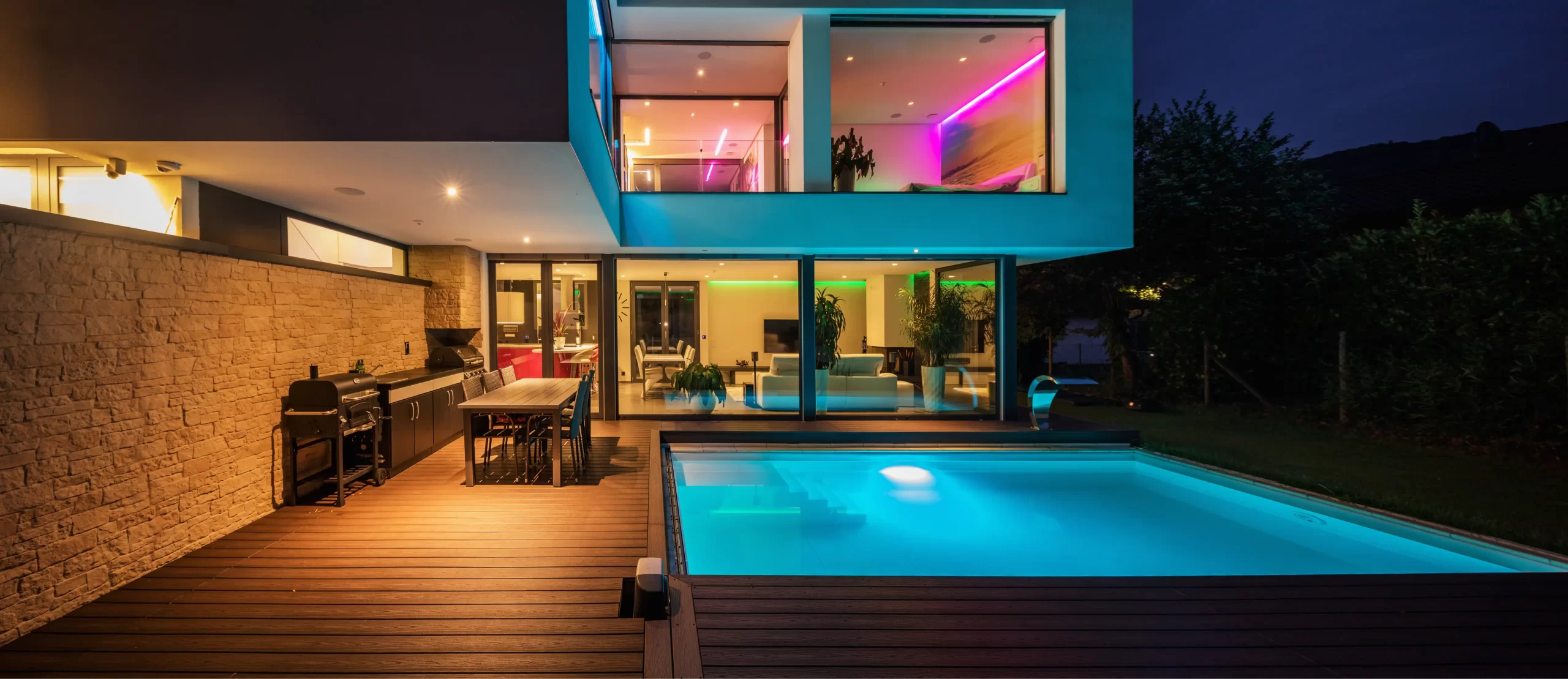
LED lighting systems have become the standard for pool illumination, offering energy efficiency, durability, and customisation. Whether you want to add a touch of ambiance to your backyard or improve visibility for nighttime swimming, LED lights are a great option. With various setups available—such as single kit, double kit, and multi-light kits—as well as advanced options like colour-changing features, it’s important to understand the different types of systems to make the right choice for your pool. Here’s a breakdown of the most common pool LED lighting systems and what they offer.
  1. Single LED Light Kit

A single LED light kit is the simplest option for pool lighting and typically includes one colour-changing LED fixture designed to light up small to medium-sized pools.

  • How It Works: A single light is installed in the pool wall, usually positioned to face away from entertaining or living areas. It emits a bright, focused beam that enhances the pool’s ambiance, creating a soft, inviting glow in the water.
  • Pros:
    • Affordable: Single LED kits are the most cost-effective lighting option.
    • Energy Efficient: LED lights use significantly less energy than traditional halogen pool lights, reducing electricity costs.
    • Simple Setup: Easy to install and requires minimal wiring or modifications to the pool.
    • Remote-Controlled: Usually controlled via a remote control reducing the need for electrical wiring for a switch.
    • Durable: LED lights last much longer than halogen bulbs, often providing up to 50,000 hours of illumination.
  • Cons:
    • Limited Coverage: One light may not provide sufficient coverage for medium or irregularly shaped pools, leaving darker areas.

Best For: Smaller pools or budget-conscious pool owners who want basic, reliable lighting for nighttime swimming.

  1. Double LED Light Kit

A double LED light kit provides additional coverage for medium or more complex pool shapes, ensuring even lighting across a wider area.

  • How It Works: Two colour-changing LED lights are installed in different areas of the pool, usually along one side spaced evenly to cover the pool’s length and width.
  • Pros:
    • Better Coverage: Two lights provide more comprehensive illumination for larger or more uniquely shaped pools.
    • Balanced Lighting: Distributes light evenly across the pool, reducing shadows and dark spots.
    • Remote-Controlled: Usually controlled via a remote control reducing the need for electrical wiring for a switch.
    • Energy Efficient: Like single kits, double kits and multi kits use LED technology, keeping energy consumption low while extending the life of the bulbs.
  • Cons:
    • Higher Cost: More expensive than single light kits due to the extra hardware and installation.

Best For: Small to large pools, irregularly shaped pools, or homeowners who want better lighting distribution for their outdoor space.

  1. Multi-Light Kits

Multi-light kits include three or more colour-changing LED lights and are ideal for large pools, complex designs, or homeowners who want to create a highly customised lighting effect.

  • How It Works: Multiple lights are installed typically along one wall or around the pool in strategic locations, providing full coverage and allowing for advanced lighting effects like synchronised colour changes or lighting zones.
  • Pros:
    • Superior Coverage: Provides bright, even lighting across large or intricately designed pools, ensuring no dark spots or shadowy areas.
    • Customisable Ambiance: With multiple lights, you can create different lighting zones or use advanced features like colour-changing modes, dimming, and light shows.
    • Energy Efficient: Despite the increased number of lights, LED technology keeps energy consumption low.
    • Remote-Controlled: Usually controlled via a remote control reducing the need for electrical wiring for a switch.
    • Perfect for Entertaining: Multi-light kits are great for homeowners who enjoy hosting poolside parties or want to create a visually striking pool environment.
  • Cons:
    • Higher Upfront Cost: Multi-light kits are more expensive due to the increased number of fixtures and more complex installation requirements.
    • More Complex Installation: May require professional installation to ensure proper placement and wiring.

Best For: Medium to large pools, infinity pools, or anyone who wants a high-end, fully customisable lighting experience with advanced colour and lighting effects.

  1. Advanced LED Lighting Systems

Many LED lighting systems now come with advanced features allowing smart lighting integration that can sync with a phone app.

  • How It Works: Colour-changing LED systems allow you to select from a range of colours or set the lights to cycle through different colours, creating mood lighting or even light shows for special occasions directly from your phone.
  • Pros:
    • Endless Customisation: Choose from millions of colours and create different moods or themes for parties, relaxation, or holidays.
    • Remote-Controlled: Usually controlled via a remote control reducing the need for electrical wiring for a switch.
    • Dynamic Effects: Advanced lighting systems can offer colour fades or strobe effects adding a fun element to your pool’s ambiance.
    • Smart Integration: Some advanced systems can be integrated with automation systems.
  • Cons:
    • Higher Cost: Advanced features and colour-changing systems typically come at a premium price.
    • Complex Installation: May require professional installation, especially for systems with multiple lights or advanced features.

Best For: Pool owners who want a highly interactive and customisable lighting system that adds visual impact and enhances the entertainment value of their pool.

  1. Other Pool Lighting Options: Floating and Solar LED Lights

For those looking for a temporary or supplemental lighting solution, floating LED lights or solar-powered LED lights are great alternatives.

  • Floating LED Lights:
    • These are battery-operated or rechargeable lights that float on the water’s surface, providing ambient lighting without the need for installation.
    • Pros: Portable, affordable, and easy to use; no installation required.
    • Cons: Limited lighting power, may not cover larger areas effectively.
  • Solar LED Lights:
    • Solar-powered pool lights charge during the day and light up automatically at night.
    • Pros: Eco-friendly and cost-efficient; no need for wiring or power supply.
    • Cons: Dependent on sunlight, so their effectiveness can be limited in shaded areas or during cloudy weather.

Best For: Temporary or additional lighting, or for pool owners who want a low-cost, eco-friendly lighting solution without needing permanent installation.

Conclusion: Choosing the Right LED Lighting for Your Pool

The right LED lighting system for your pool depends on your pool’s size, your budget, and your desired lighting effect:

  • A single LED light kit is great for small pools or basic lighting needs.
  • A double LED light kit offers balanced illumination for medium to large pools.
  • Multi-light kits provide full coverage for larger pools and allow for advanced customisation.
  • Colour-changing and smart LED systems add a high level of customisation and fun, perfect for creating different moods and entertainment experiences.
  • Floating and solar LED lights are excellent for temporary or eco-friendly solutions.

With a wide range of options available, you can customise your pool lighting to suit your style, enhance safety, and create the perfect atmosphere for nighttime swimming or poolside parties.

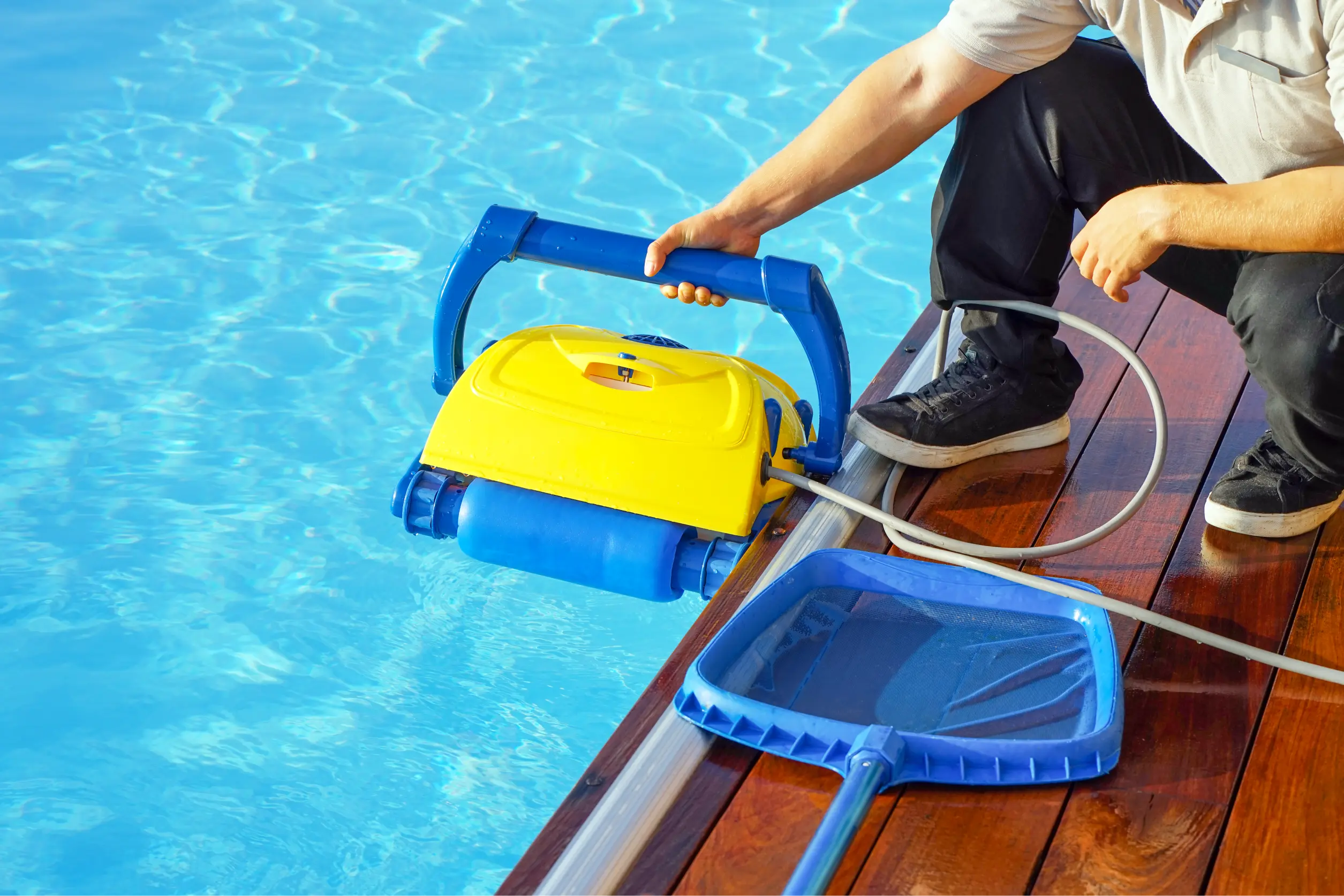
Understanding the Differences Between Suction, Robotic, Wireless Robotic, and JetVac Pool Cleaners

Understanding the Differences Between Suction, Robotic, Wireless Robotic, and JetVac Pool Cleaners

Understanding the Differences Between Suction, Robotic, Wireless Robotic, and JetVac Pool Cleaners

Choosing the right pool cleaner can make a big difference in how easy it is to keep your pool sparkling clean. With so many options available—including suction cleaners, robotic cleaners, wireless robotic cleaners, and JetVac cleaners—it’s essential to understand the strengths and weaknesses of each to find the best fit for your pool. Here’s a breakdown of the differences between these popular pool cleaner types.

Understanding the Differences Between Suction, Robotic, Wireless Robotic, and JetVac Pool Cleaners
  1. Suction Cleaners

Suction pool cleaners are one of the most common and cost-effective types of automatic pool cleaners. They connect to your pool’s filtration system and rely on suction generated by your pool pump to vacuum up debris.

  • How It Works: Suction cleaners attach to the skimmer or a dedicated suction line in your pool. They move around randomly, sucking up debris and dirt, which is then deposited into your pool’s filtration system.
  • Pros:
    • Affordable: Suction cleaners are generally the least expensive type of automatic pool cleaner.
    • Simple to Install: They connect directly to the pool’s filtration system without any need for additional power or equipment.
    • Good for Small Debris: Ideal for picking up smaller debris like dirt, sand, and small leaves.
  • Cons:
    • Strains the Filtration System: Since they rely on your pool’s pump and filter, they can add extra wear and tear on these components.
    • Random Movement: They often move in a random pattern, meaning they may take longer to clean the entire pool.
    • Not Ideal for Large Debris: Suction cleaners can struggle to handle larger debris, like leaves or twigs, and may clog more easily.

Best For: Homeowners looking for a budget-friendly cleaning option for small to medium debris in pools with basic cleaning needs.

  1. Robotic Pool Cleaners

Robotic pool cleaners are highly efficient, self-contained units that don’t rely on the pool’s filtration system. They are powered by electricity and come equipped with their own motors, filtration systems, and advanced navigation technology.

  • How It Works: Robotic cleaners plug into an external power source (usually a wall outlet) and move independently around the pool, scrubbing walls, floors, and the waterline. They capture debris in an onboard filter, which is easy to clean and maintain.
  • Pros:
    • Thorough Cleaning: Robotic cleaners scrub the pool’s surfaces, providing a more thorough clean than suction cleaners. They handle both fine particles and larger debris.
    • Energy Efficient: Despite using electricity, they are often more energy-efficient than suction cleaners because they don’t rely on the pool pump.
    • Independent Operation: Since they don’t connect to the pool’s filtration system, they reduce wear on the pump and filter.
    • Programmable Features: Many robotic cleaners have programmable settings, allowing for more efficient and targeted cleaning.
  • Cons:
    • Higher Cost: Robotic cleaners are more expensive upfront than suction cleaners.
    • Heavier: Some models can be bulky and harder to lift out of the pool.
    • Requires a Power Source: The need for a power cord can limit movement, and tangled cords can be a hassle.

Best For: Pool owners who want a hands-free, high-performance cleaner capable of scrubbing floors, walls, and the waterline, and who are willing to invest in a more advanced system.

  1. Wireless Robotic Pool Cleaners

Wireless robotic pool cleaners are a newer, more advanced version of traditional robotic cleaners, offering the same efficient cleaning performance without the hassle of a power cord.

  • How It Works: Wireless robotic cleaners run on rechargeable batteries and move independently around the pool, collecting debris and scrubbing surfaces like traditional robotic cleaners. They don’t need to be plugged into an outlet, making them more convenient.
  • Pros:
    • Cord-Free Convenience: Without the power cord, wireless robotic cleaners move freely around the pool, eliminating the risk of tangling and providing full mobility.
    • Thorough Cleaning: Like standard robotic cleaners, they provide excellent cleaning coverage, scrubbing walls, floors, and the waterline.
    • Energy Efficient: They don’t draw from the pool’s energy system, and the battery life is generally sufficient for cleaning cycles.
  • Cons:
    • Battery Life Limitations: These cleaners have a limited run time, usually from 1-3 hours, depending on the model. Larger pools may need multiple cleaning sessions between charges.
    • Higher Cost: They are generally more expensive than standard robotic cleaners.
    • Battery Maintenance: Batteries will eventually wear out and need to be replaced, adding to long-term maintenance costs.

Best For: Pool owners who want the convenience of a cordless cleaner with all the features of a robotic cleaner and are willing to pay a premium for freedom of movement and ease of use.

  1. JetVac Pool Cleaners

JetVac cleaners are pressure-side cleaners that use water pressure from a booster pump to move around the pool. Unlike suction cleaners, JetVac cleaners push debris into an onboard bag instead of sending it to the pool’s filter.

  • How It Works: JetVac cleaners are connected to a dedicated pressure line and powered by a booster pump. Water pressure drives the cleaner around the pool, where it picks up debris and stores it in a filter bag, leaving the pool filter free of debris.
  • Pros:
    • Powerful Cleaning: JetVac cleaners are ideal for larger debris like leaves, twigs, and acorns, which can clog suction cleaners.
    • Doesn’t Strain Pool Filter: The debris is collected in an onboard bag, reducing the load on the pool’s filtration system.
    • Works Well in Larger Pools: The booster pump provides enough power to clean larger pools effectively.
  • Cons:
    • Requires a Booster Pump: If your pool doesn’t already have a booster pump, you’ll need to install one, adding to the upfront cost.
    • More Expensive to Operate: The booster pump increases energy consumption, making JetVac cleaners more costly to run than robotic or suction cleaners.
    • Maintenance: The onboard bag needs to be emptied regularly, and the cleaner requires a bit more upkeep.

Best For: Pool owners dealing with larger debris or who have pools with heavy leaf litter and want a robust cleaning system that won’t burden the pool’s filtration system.

Which Pool Cleaner Is Right for You?

  • Suction Cleaners: Best for budget-conscious homeowners with smaller pools or minimal debris. They’re affordable but require more work from the pool’s filtration system.
  • Robotic Cleaners: Ideal for pool owners who want high-performance cleaning with minimal effort. Robotic cleaners offer superior cleaning capabilities but come with a higher upfront cost.
  • Wireless Robotic Cleaners: Perfect for those who want the flexibility of a robotic cleaner without the hassle of cords. These offer convenience and freedom of movement but require battery maintenance.
  • JetVac Cleaners: The go-to option for pools with heavy debris or large backyards with lots of foliage. These cleaners are great for big jobs and don’t strain the pool’s filter, though they need a booster pump and are more expensive to operate.

Conclusion

The right pool cleaner for you depends on the type of debris your pool collects, your budget, and how much maintenance you’re willing to do. Suction cleaners are budget-friendly and simple, while robotic cleaners offer advanced cleaning with less effort. Wireless robotic cleaners give you freedom from cords, and JetVac cleaners are ideal for pools with larger debris. Each option has its strengths, so choosing the right one depends on your specific pool cleaning needs!

Understanding the Differences in Pool Water Sanitisers: Chlorine, Salt, Mineral, and Freshwater Pools

Understanding the Differences in Pool Water Sanitisers Chlorine, Salt, Mineral, and Freshwater Pools

Understanding the Differences in Pool Water Sanitisers: Chlorine, Salt, Mineral, and Freshwater Pools

Choosing the right water sanitisation system for your pool is crucial for keeping it clean, safe, and enjoyable. There are several options to consider, including chlorine, saltwater, mineral pools, and freshwater systems. Each method has its pros and cons, so let’s break down the differences to help you choose the best fit for your pool.

Understanding the Differences in Pool Water Sanitisers Chlorine, Salt, Mineral, and Freshwater Pools
  1. Chlorine Pools

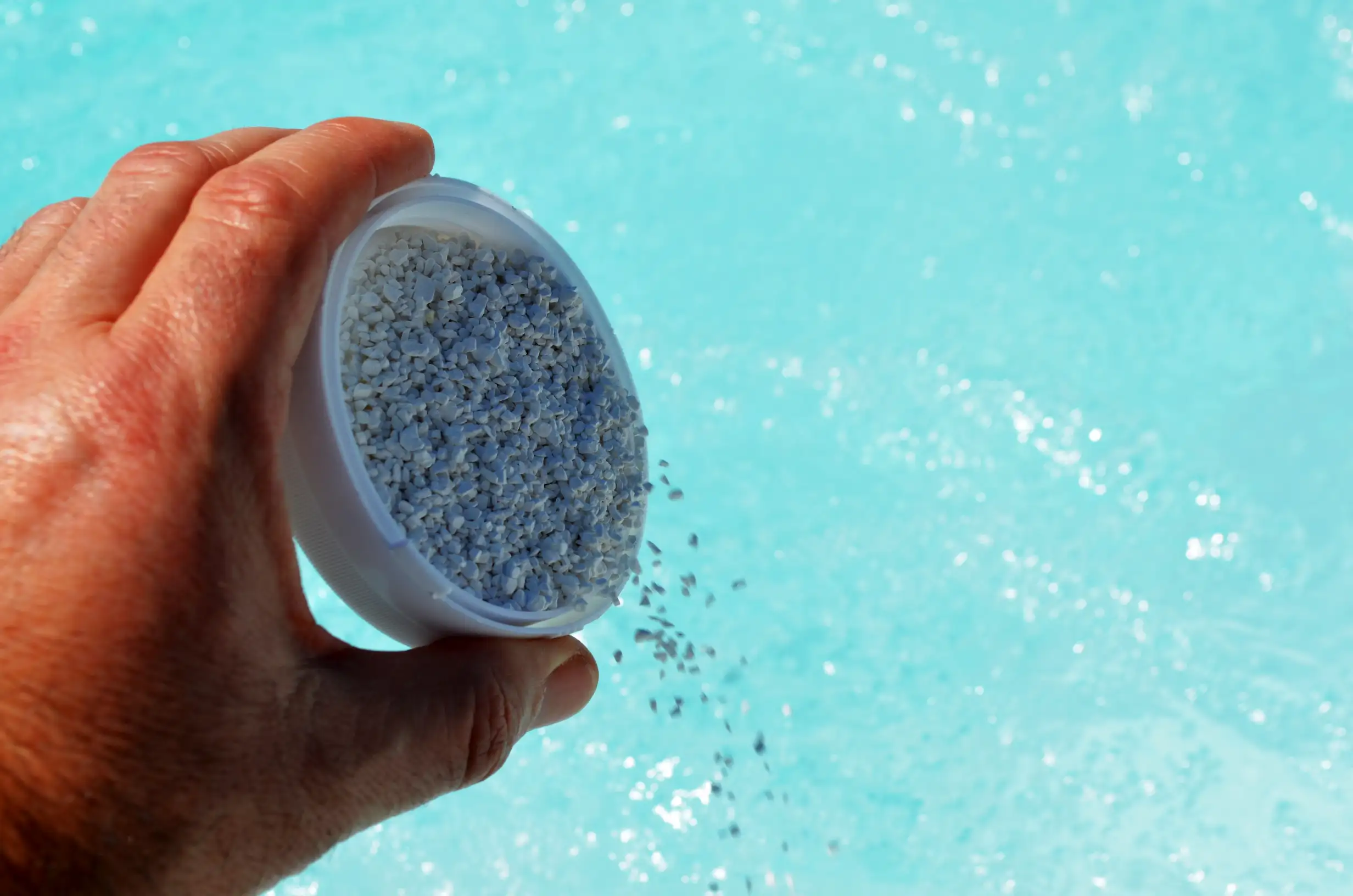
Chlorine is the most traditional and widely used pool sanitiser. It’s highly effective at killing bacteria, algae, and other contaminants, keeping pool water clean and safe for swimmers.

  • How It Works: Chlorine is added to the water either manually (in the form of tablets, granules, or liquid) or via an automatic dosing system. It breaks down into hypochlorous acid, which sanitises the water by killing harmful microorganisms.
  • Pros:
    • Highly effective at sanitising the water and preventing algae growth.
    • Affordable and widely available.
    • Easy to manage with well-established maintenance routines.
  • Cons:
    • Chlorine can cause skin and eye irritation for some swimmers.
    • Strong chemical smell is often associated with chlorine pools.
    • Requires regular monitoring and dosing to maintain proper levels.
    • Overuse or imbalanced levels can lead to issues like chlorine shock or pool corrosion.

Best For: Homeowners looking for an affordable and well-established water sanitisation option who don’t mind a bit more routine maintenance.

  1. Saltwater Pools

Saltwater pools have gained popularity due to their softer feel and gentler impact on swimmers’ skin and eyes. Contrary to common belief, saltwater pools still contain chlorine, but the chlorine is generated naturally.

  • How It Works: A saltwater chlorinator converts salt (sodium chloride) into chlorine through a process called electrolysis. This process continuously generates chlorine to sanitise the pool, making the water feel softer and reducing the need to manually add chlorine.
  • Pros:
    • Lower chlorine levels, making the water gentler on skin, eyes, and swimsuits.
    • Less maintenance compared to traditional chlorine pools—no need to manually add chlorine.
    • Reduced chemical odor and irritation.
  • Cons:
    • Higher initial cost due to the salt chlorinator equipment.
    • Saltwater can be corrosive to some pool equipment, especially metal fixtures and certain types of pool surrounds.
    • The salt cell in the chlorinator requires regular cleaning and may need replacing every few years.

Best For: Homeowners who want lower maintenance and gentler water and are willing to invest in a higher upfront cost for long-term benefits.

  1. Mineral Pools

Mineral pools offer a gentler and more luxurious alternative to traditional chlorine pools, enhancing the benefits of saltwater systems. Contrary to common belief, a mineral pool is essentially a saltwater pool where chlorine is naturally generated, but with the added advantage of enriching the water with natural minerals like magnesium or potassium. These minerals not only help keep the water clean and soft but also provide health and wellness benefits, creating a spa-like swimming experience.

  • How It Works: A mineral pool system uses a combination of minerals, usually magnesium to enhance water quality. While the pool will use small amounts of chlorine or salt, the mineral composition reduces the need for harsh chemicals and helps balance the water naturally.
  • Pros:
    • Gentle on skin and hair due to the natural mineral content, making it ideal for people with sensitive skin.
    • Therapeutic properties: Minerals like magnesium have health benefits, promoting relaxation and reducing muscle tension.
    • Requires less chemical maintenance compared to traditional chlorine pools.
  • Cons:
    • Higher initial costs for mineral systems. Only marginally higher than salt water systems.
    • Still requires some chlorine for full effectiveness.
    • Mineral pool supplies are sometimes harder to find and can be more expensive than chlorine or salt.

Best For: Homeowners looking for a more natural and luxurious swimming experience, with added health benefits and reduced chemical use.

  1. Freshwater Pools

Freshwater pools use advanced ionization systems to maintain clean and sanitised water without the need for chlorine, salt, or minerals. These pools aim to provide a swimming experience that’s as close to swimming in a natural body of water as possible.

  • How It Works: Freshwater pools rely on advanced ionization systems to purify the water. Some systems use copper and silver ions to kill bacteria and algae, while others use UV or ozone to sanitise the water.
  • Pros:
    • No added chemicals, making the water incredibly gentle on the skin and eyes.
    • Provides a natural swimming experience without the harshness of chlorine or salt.
    • Environmentally friendly due to the lack of chemical use.
  • Cons:
    • Higher initial costs due to the complex ionization systems required.
    • Requires careful monitoring of the water’s balance, and sometimes a small amount of salt or chlorine.
    • Not as widely available or well-understood as chlorine, saltwater or mineral systems.

Best For: Homeowners who want a truly natural, chemical-free swimming experience and are willing to invest in advanced filtration systems.

Which Sanitisation System Is Right for You?

  • Chlorine Pools: Ideal for those looking for a traditional, cost-effective sanitisation system and who don’t mind the extra maintenance involved.
  • Saltwater Pools: A great choice for homeowners who want less manual maintenance and softer water, and who are comfortable with a higher upfront cost.
  • Mineral Pools: Perfect for families looking for a gentler, more luxurious swimming experience with added health benefits from natural minerals.
  • Freshwater Pools: Best for eco-conscious homeowners who want a natural, chemical-free pool environment and are willing to invest in advanced systems for cleaner water.

Choosing the right pool sanitisation system depends on your budget, maintenance preferences, and the type of swimming experience you want. Each option offers different benefits, whether it’s the affordability and effectiveness of chlorine, the low-maintenance nature of saltwater, the therapeutic benefits of mineral pools, or the natural appeal of freshwater systems. Whatever you choose, ensuring your pool is well-maintained and properly sanitised is the key to enjoying crystal-clear water all year round.

Understanding the Differences Between Media Filters and Cartridge Filters for Your Pool

Understanding the Differences Between Media Filters and Cartridge Filters for Your Pool

Understanding the Differences Between Media Filters and Cartridge Filters for Your Pool

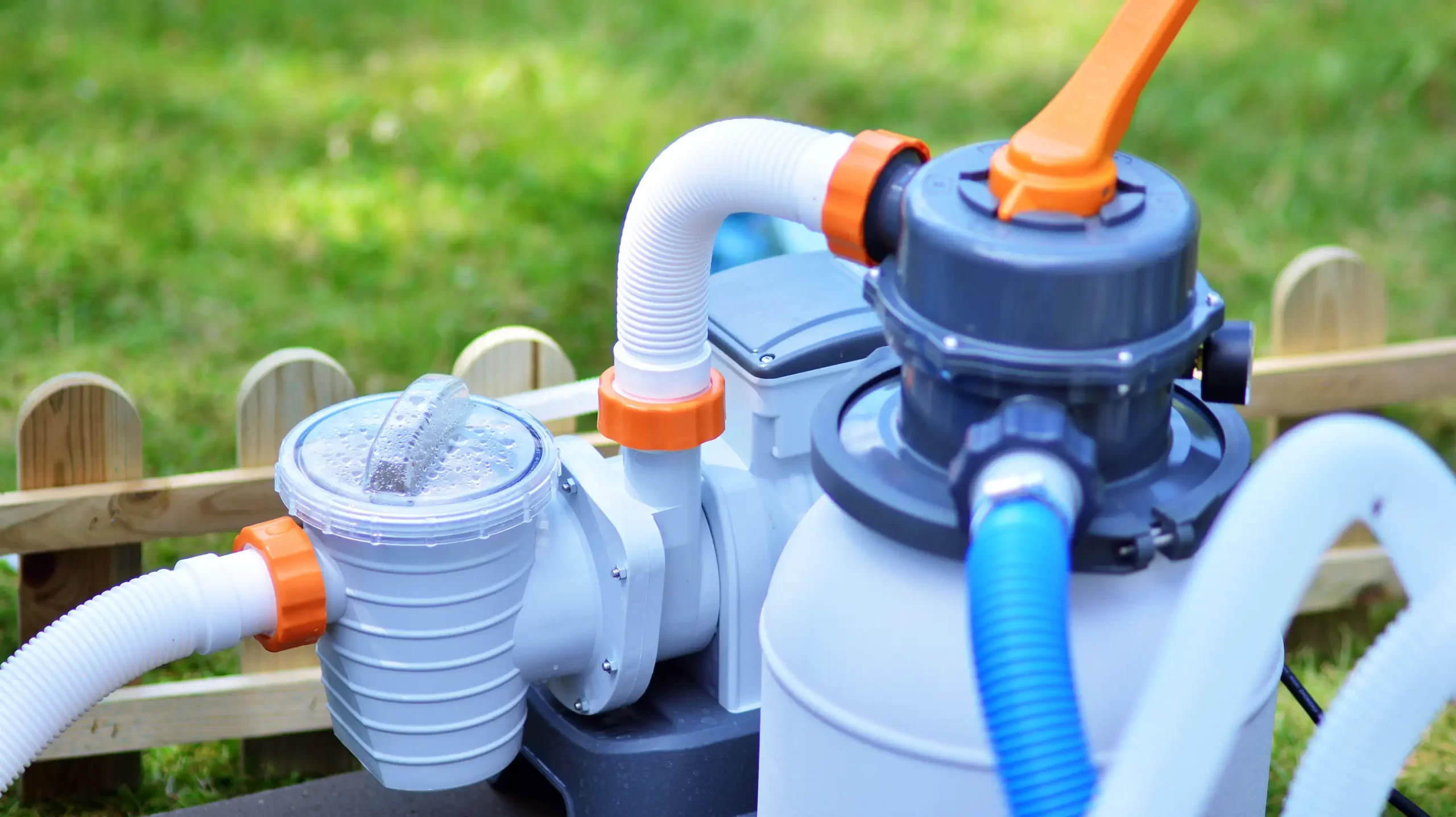
When it comes to keeping your pool water clean and crystal clear, choosing the right filtration system is key. There are two main types of pool filters to consider: media filters (which include sand and glass filters) and cartridge filters. Each type of filter has its pros and cons, depending on your maintenance preferences and pool usage. Here’s a simple breakdown of the differences between these two filtration systems.

Understanding the Differences Between Media Filters and Cartridge Filters for Your Pool

Media Filters: Sand vs. Glass

Media filters are one of the most common types of pool filtration systems, and they come in two primary varieties: sand filters (the traditional option) and glass filters (the newer alternative).

  • Sand Filters:
    • How It Works: Sand filters use fine silica sand to trap dirt and debris as pool water passes through. The particles are caught in the sand bed, and the clean water returns to the pool.
    • Maintenance: Over time, sand filters require backwashing, a process where water is run backward through the filter to flush out the trapped debris. Requires access to a overflow relief gully (ORG) or transpiration pit. Sand needs to be replaced every 5-7 years.
    • Pros: Sand filters are simple and reliable. They work well for most residential pools. Easy to maintain.
    • Cons: They require regular backwashing, which wastes water. Sand filters also don’t capture the finest particles, meaning the filtration is not as thorough as other options. higher maintenance costs over the life of the filter than a sand filter. Requires access to an existing overflow relief gully (or sewer gully) or transpiration pit. Where access to an ORG or transpiration pit is not readily accessible it may be an expensive to plumb a new service in.
  • Glass Filters:
    • How It Works: Glass filters operate in a similar way to sand filters but use recycled, finely crushed glass / glass bead media instead of sand. The angular particles of glass trap more debris and even smaller particles than sand can.
    • Maintenance: Like sand filters, glass filters also need to be backwashed, but they require less frequent backwashing, saving water in the long run.  Requires access to a overflow relief gully (ORG) or transpiration pit.
    • Pros: Glass filters are more efficient at trapping finer particles, require less backwashing, and have a longer lifespan than sand filters. Easy to maintain.
    • Cons: Glass filters are more expensive upfront, but the cost is offset by reduced maintenance needs and water savings over time. Requires access to an existing overflow relief gully (or sewer gully) or transpiration pit. Where access to an ORG or transpiration pit is not readily accessible it may be an expensive to plumb a new service in.

Cartridge Filters

Cartridge filters are an increasingly popular option for pool owners who want finer filtration or are unable to backwash.

  • How It Works: Cartridge filters use a pleated polyester or paper cartridge to trap dirt and debris. Water passes through the cartridge, which captures particles as small as 10 microns (compared to sand’s 20-40 microns).
  • Maintenance: Cartridge filters don’t require backwashing. Instead, you’ll need to remove the cartridge and manually clean it periodically (usually every 4-6 weeks) with a hose. The cartridge itself will need replacing every 2-3 years.
  • Pros: Cartridge filters provide superior filtration, removing smaller particles from the water. They’re easy to maintain—no backwashing required—and use less water overall. They’re also ideal for smaller pools or pools with low-to-moderate usage.
  • Cons: Cartridge filters can clog faster than media filters in heavily used pools or pools with lots of debris. Manual cleaning is time consuming.

Which Filter Is Right for You?

  • If you prefer lower upfront costs and have a medium-to-large pool, a sand filter may be a good choice, though you’ll need to factor in the water usage for backwashing.
  • If you want better filtration and long-term savings on maintenance, a glass filter offers superior performance and reduces water waste from backwashing.
  • For those who want superior filtration with no backwashing and fine particle removal, a cartridge filter might be the best fit, especially for smaller pools or those who want a more eco-friendly option.

Choosing the right filter depends on your pool’s needs, your budget, and how much time you want to spend on maintenance. Whether you go for a media filter or a cartridge filter, both systems will help keep your pool water clean and ready for swimming!

Understanding the Differences Between Single-Speed, Variable-Speed, and Inverter Pool Pumps

Understanding the Differences Between Single-Speed, Variable-Speed, and Inverter Pool Pumps

Understanding the Differences Between Single-Speed, Variable-Speed, and Inverter Pool Pumps

When it comes to keeping your pool water circulating and clean, choosing the right pump is just as important as selecting the right filter. Pool pumps are the heart of your pool’s circulation system, helping to move water through the filtration and heating systems to maintain clean and comfortable water. There are three main types of pool pumps: single-speed, variable-speed, and inverter pumps. Here’s a simple explanation of how they differ and which one might be right for your pool.

Understanding the Differences Between Single-Speed, Variable-Speed, and Inverter Pool Pumps
  1. Single-Speed Pumps

Single-speed pumps are the most basic and traditional type of pool pump. They run at a constant speed (usually at full power) whenever they are turned on.

  • How It Works: Single-speed pumps have one fixed motor speed, meaning they operate at the same high RPM (revolutions per minute) regardless of the pool’s needs. This speed is usually set to the maximum, which is needed for tasks like backwashing but may be overkill for regular circulation.
  • Energy Use: These pumps consume a lot of energy because they always run at full power, even when lower power would suffice.
  • Maintenance: Single-speed pumps are mechanically simple and often the least expensive option upfront.
  • Pros: Single-speed pumps are the cheapest to buy and easy to maintain.
  • Cons: They are the least energy-efficient option, leading to higher electricity bills. They also tend to be noisier due to their constant high-speed operation.
  1. Variable-Speed Pumps

Variable-speed pumps are a newer, more energy-efficient option. They allow you to adjust the pump’s speed to match the pool’s needs.

  • How It Works: These pumps use a permanent magnet motor (similar to what’s used in electric cars), which allows them to operate at different speeds. You can program the pump to run at lower speeds for tasks like regular water circulation and at higher speeds for tasks like vacuuming or backwashing.
  • Energy Use: Variable-speed pumps are significantly more energy-efficient than single-speed pumps. By running the pump at lower speeds for longer periods, you reduce energy consumption without compromising water quality.
  • Maintenance: Although more complex than single-speed pumps, variable-speed pumps are generally reliable and require less frequent maintenance because the motor doesn’t run at maximum power all the time.
  • Pros: They save up to 70% on energy costs compared to single-speed pumps, are quieter, and allow for precise control over water circulation. Many come with programmable settings.
  • Cons: Variable-speed pumps are more expensive upfront but tend to pay for themselves over time, typically 12-18 months, through energy savings.
  1. Inverter Pumps

Inverter pumps are the latest innovation in pool pump technology. They build on the benefits of variable-speed pumps but offer even more efficient and smoother operation.

  • How It Works: Inverter pumps adjust their speed automatically based on the pool’s demands, optimizing energy consumption. Inverter technology allows for even finer control of the motor speed and ensures smooth transitions between different speeds, making it extremely energy-efficient.
  • Energy Use: These pumps offer the highest energy savings, using inverter technology to dynamically adjust to the pool’s needs, whether for filtering, heating, or water features. They can reduce energy consumption by up to 80% compared to single-speed pumps.
  • Maintenance: Inverter pumps tend to have a longer lifespan due to their efficient operation and smoother performance. Like variable-speed pumps, they require minimal maintenance.
  • Pros: Inverter pumps are the most energy-efficient, quietest, and offer the best overall performance. They provide maximum control over energy usage and water flow, making them ideal for environmentally conscious pool owners.
  • Cons: They have the highest upfront cost.

Which Pool Pump Is Right for You?

  • Single-Speed Pump: If you’re on a tight budget and don’t mind higher energy costs, a single-speed pump may be sufficient for smaller pools or infrequent use. However, keep in mind that they are less energy-efficient and noisier.
  • Variable-Speed Pump: If you want to save on energy costs and are willing to invest a little more upfront, a variable-speed pump offers the perfect balance of performance, efficiency, and control. This is a great choice for most residential pools.
  • Inverter Pump: If energy efficiency is a top priority and you’re looking for the quietest and most advanced pump technology, an inverter pump is the best option. Though more expensive initially, the long-term savings and superior performance make it a worthwhile investment, especially for large or frequently used pools.

Conclusion

The choice between single-speed, variable-speed, and inverter pumps depends on your budget, energy efficiency goals, and pool usage. While single-speed pumps are inexpensive upfront, variable-speed and inverter pumps offer significant long-term savings on energy costs, quieter operation, and better control over your pool’s circulation. Investing in a more energy-efficient pump will not only reduce your electricity bills but also extend the life of your pool’s filtration system.