When selecting the right water system for your fiberglass pool, it’s essential to understand the pros and cons of each option. The most popular choices are chlorine, saltwater, mineral, and freshwater pools. Each system offers unique benefits, so it’s important to choose one that suits your family’s needs and preferences.
In this guide, we’ll compare these water types to help you make an informed decision.
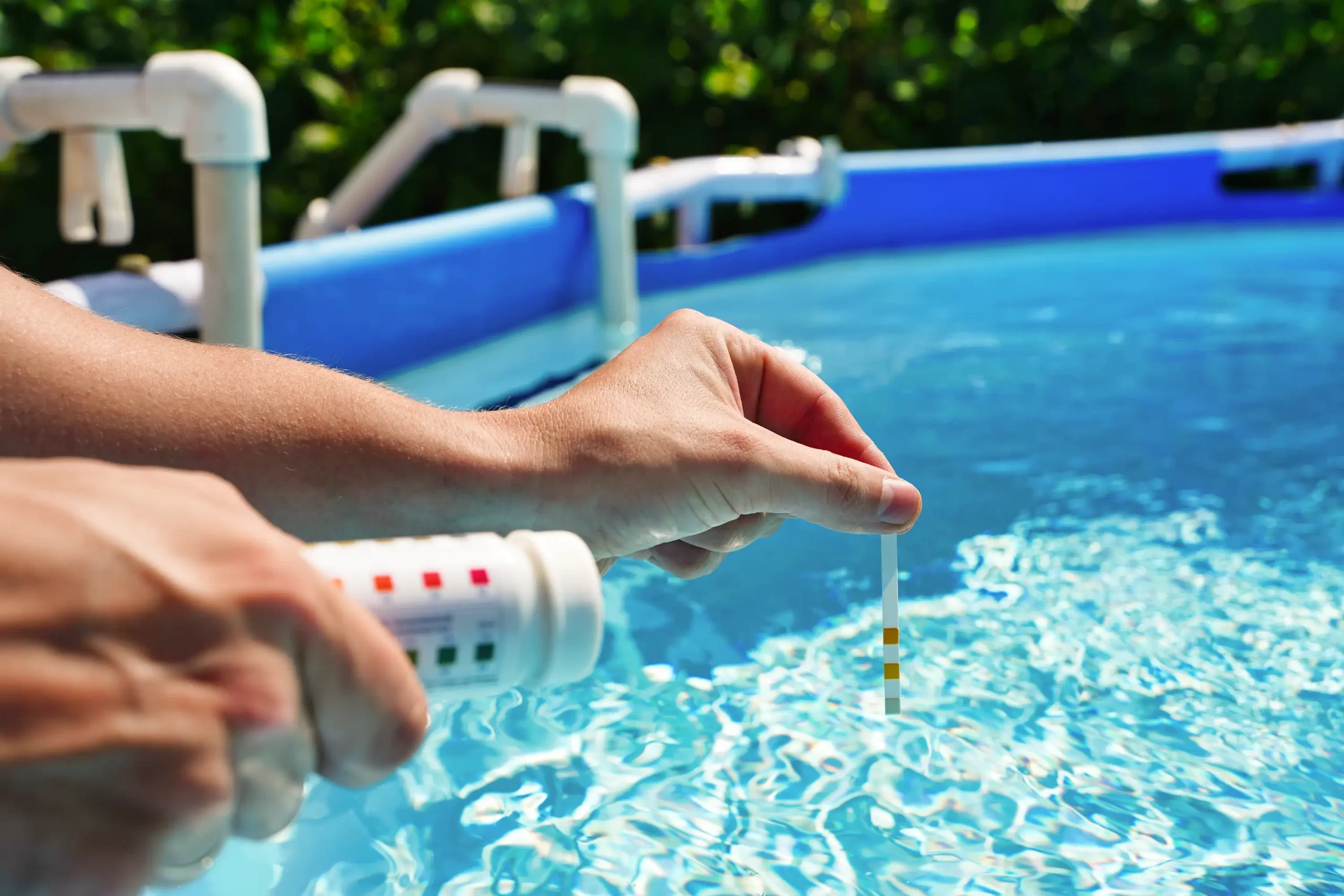
- Chlorine Pools: The Classic Choice
Chlorine pools have long been the standard for pool owners. Chlorine is a powerful sanitiser that keeps pool water clean by killing bacteria and other harmful microorganisms. However, there are some trade-offs to consider.
Pros:
- Effective Sanitisation: Chlorine is highly effective at preventing bacteria, algae, and contaminants.
- Affordable Setup: Chlorine pools typically cost less to install.
- Widely Available: Chlorine and related products are easy to find.
Cons:
- Chemical Odor: Some people find the chlorine smell unpleasant.
- Skin and Eye Irritation: Chlorine can irritate sensitive skin and eyes.
- Frequent Maintenance: Chlorine levels require regular testing, and shock treatments are needed to maintain water quality.
- Saltwater Pools: A Softer, Gentler Option
Saltwater pools have become more popular due to their softer feel and lower maintenance. While they still generate chlorine through a salt chlorinator, the chlorine level is typically lower than in traditional pools.
Pros:
- Lower Chemical Use: Chlorine is produced naturally, so you don’t have to handle chemicals.
- Gentler on Skin and Eyes: Saltwater tends to be less irritating than traditional chlorine.
- Reduced Maintenance: With chlorine being generated automatically, you’ll need less frequent testing and adjustments.
Cons:
- Higher Initial Cost: Saltwater systems cost more to install due to the chlorinator.
- Chlorinator Maintenance: The salt cell needs regular cleaning and may need replacing every few years.
- Corrosion Risk: Saltwater can be harsh on certain pool equipment and surrounding landscapes, requiring more durable materials.
- Mineral Pools: The Eco-Friendly Option
Mineral pools are becoming popular for their natural approach to water sanitisation. These pools use minerals, such as magnesium and potassium, alongside a salt chlorinator to keep water clean and balanced.
Pros:
- Gentle on Skin and Hair: The minerals create softer water, which is refreshing and therapeutic.
- Environmentally Friendly: They require fewer chemicals, making them an eco-conscious choice.
- Low Maintenance: These pools are easier to maintain with fewer chemicals.
Cons:
- Higher Initial Cost: The cost of installation is typically higher due to the mineral delivery system.
- Limited Availability: Mineral pool supplies may be harder to find in some areas.
- Less Sanitisation Power: While effective, mineral pools may still need some chlorine for optimal sanitation.
- Freshwater Pools: A Chemical-Free Alternative
Freshwater pools have become increasingly popular due to their reduced reliance on chemicals and natural, refreshing water quality. They use copper and silver minerals to purify and disinfect the water.
Pros:
- Reduced Chemical Dependency: The system uses minimal chemicals, relying on natural minerals for purification.
- Enhanced Durability: The system is gentle on pool equipment, reducing wear and tear compared to saltwater systems.
- Low Maintenance Costs: Freshwater pools incur fewer maintenance costs over time with reduced reliance on chemicals.
- Environmental Benefits: The system reduces chemical runoff, promoting sustainability and a healthier ecosystem.
Cons:
- Higher Initial Cost: The installation cost is Considerably higher.
- Limited Knowledge: Finding pool maintenance professionals experienced with these systems can be difficult.
- Comparing Water Types: Which Is Right for You?
Here’s a quick comparison of the water systems to help you decide:
|
Factor |
Chlorine Pool |
Saltwater Pool |
Mineral Pool |
Freshwater Pool |
|
Initial Cost |
$ |
$$ |
$$$ |
$$$$ |
|
Ongoing Cost |
$$$$ |
$$ |
$$ |
$ |
|
Maintenance |
Regular testing, frequent chemicals |
Less frequent testing, automatic chlorine production |
Low maintenance, automated chlorine and fewer chemicals |
Minimal maintenance and chemicals |
|
Irritation Potential |
Can cause irritation |
Gentler on skin and eyes |
Soft, therapeutic water, reduced irritation |
Best for sensitivities |
|
Eco-Friendliness |
Uses chemicals |
Reduced chemicals, but still uses some |
Eco-friendly with fewer chemicals |
Most eco-friendly |
|
Sanitisation Power |
Highly effective |
Effective with chlorine |
Effective, may need extra sanitiser |
Effective without extra sanitiser |
- Considerations for Fiberglass Pools
All water systems—chlorine, saltwater, mineral, and freshwater—are compatible with fiberglass pools. When choosing, consider your family’s swimming habits, maintenance preferences, and skin sensitivities. No matter which option you pick, a fiberglass pool will provide a clean, refreshing swimming experience.
Conclusion: Choosing the Right System for Your Pool
The best pool water system depends on your preferences and lifestyle. If you prioritize low maintenance and a gentle swim, a saltwater pool might be your ideal choice. For a more natural, eco-friendly alternative, a mineral or freshwater pool could be a great fit. Take time to weigh the advantages and select the system that best meets your needs.