The Real Cost of Owning a Fiberglass Pool: Budgeting Tips for Families
If you’re thinking about installing a pool in your backyard, it’s important to understand the full cost of pool ownership. While fiberglass pools are often praised for being affordable in the long run, there are upfront and ongoing expenses to consider before taking the plunge. In this blog, we’ll break down the real cost of owning a fiberglass pool and provide budgeting tips to help families make the best financial decisions.
Initial Costs of Installing a Fiberglass Pool
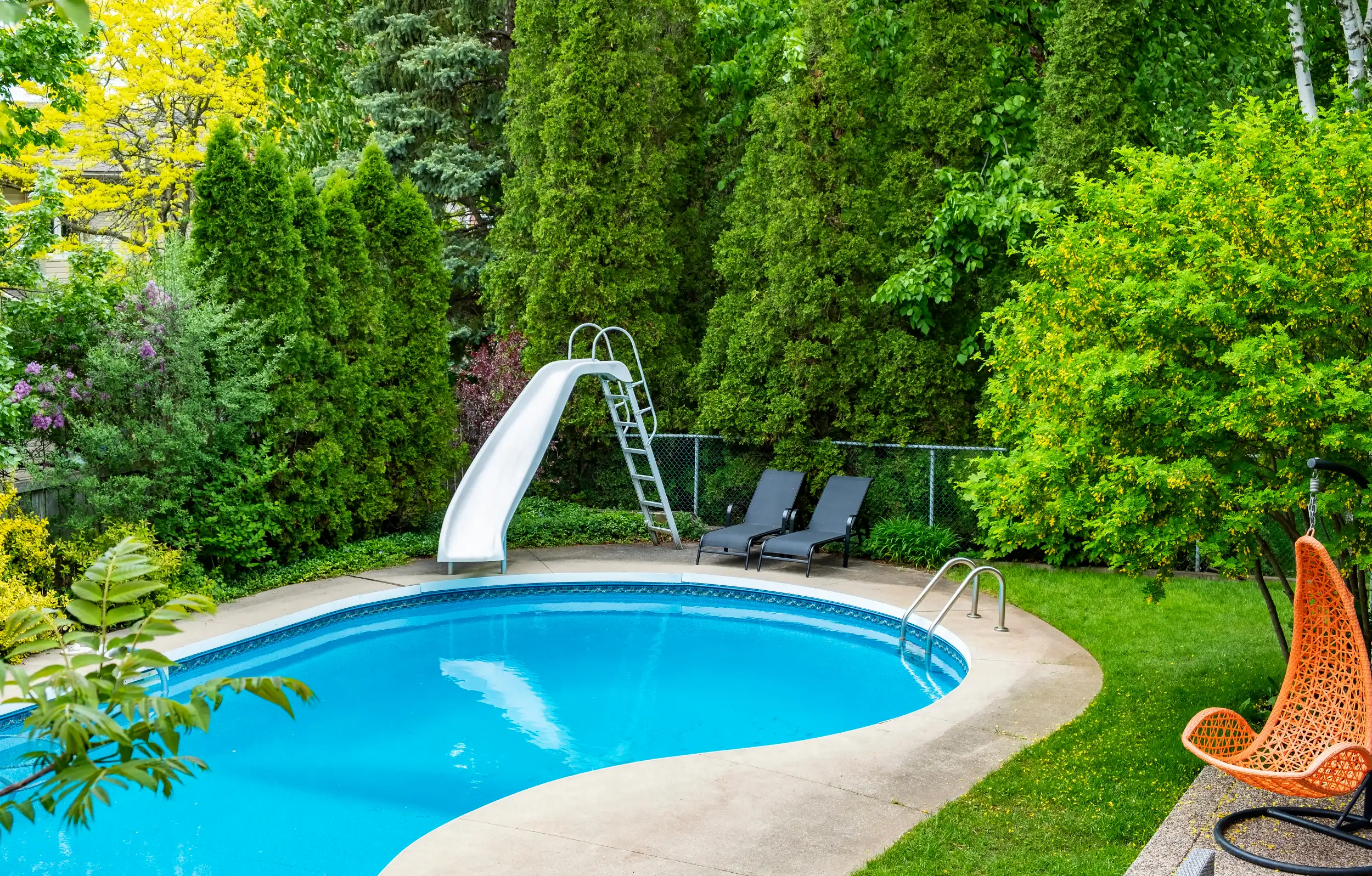
When you first look into installing a fiberglass pool, the upfront costs may seem a bit higher compared to other pool types like vinyl. However, when you take into account installation, materials, and long-term maintenance, fiberglass pools often come out as a more cost-effective option.
- Pool Shell: The cost of the fiberglass pool shell can vary depending on its size and shape. Typically, a standard fiberglass pool shell ranges between $20,000 and $60,000, but this cost can increase for larger or more intricate designs.
- Installation: Installation costs for fiberglass pools are lower than for concrete pools. The pre-molded design of fiberglass pools means they can be installed more quickly, usually within a few weeks, which also reduces labor costs.
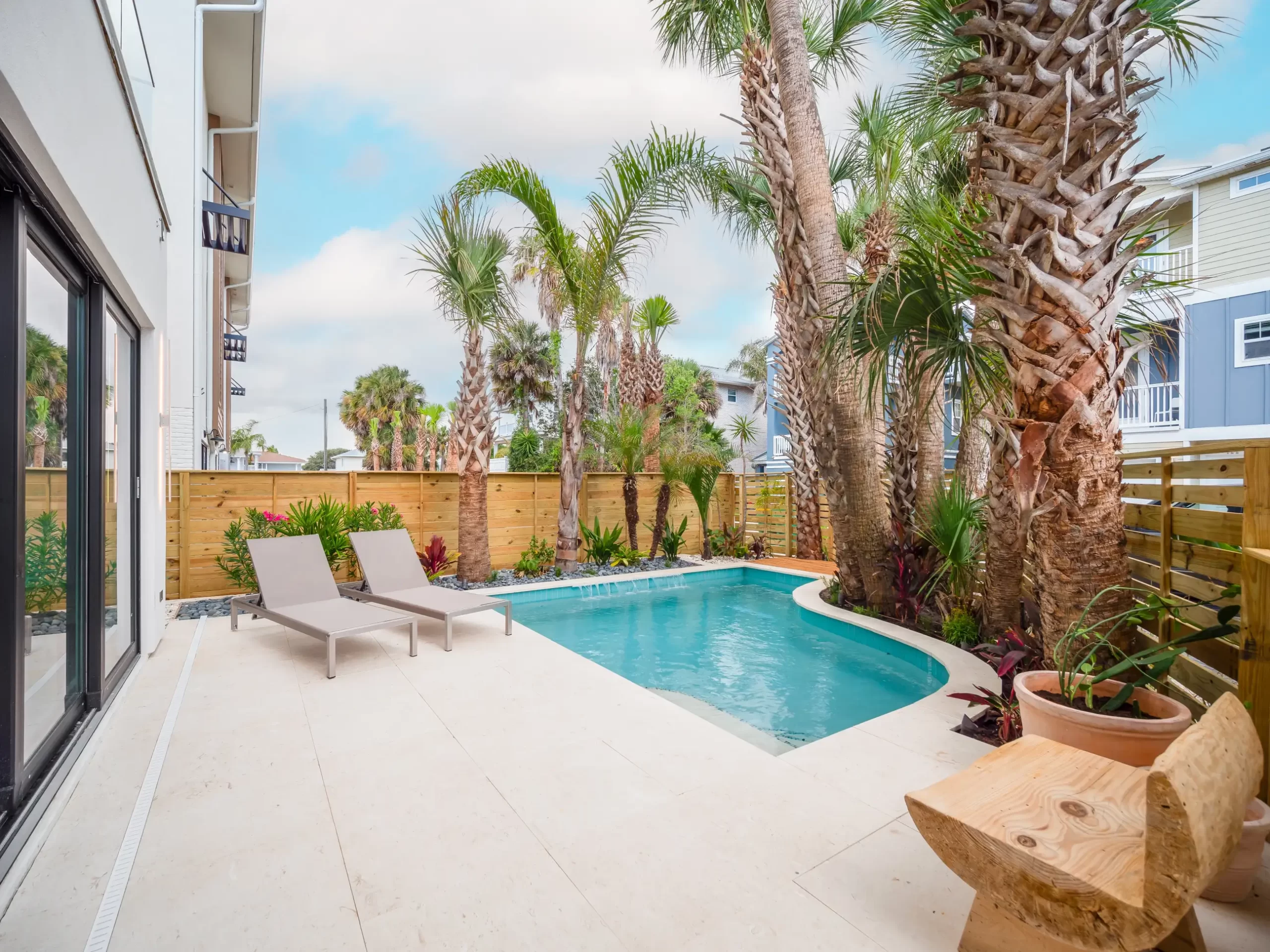
- Excavation and Landscaping: Excavation for your pool will add to the overall cost, especially if your backyard has complex grading or obstructions. In addition to the pool, you may want to budget for landscaping, concrete or pavers for poolside areas, and shade options like umbrellas or awnings.
- Pool Equipment: Don’t forget to include the cost of essential equipment like pool pumps, filters, heaters, and lighting. The type of water system you choose (chlorine, salt, mineral or freshwater) will also impact the cost.
Long-Term Maintenance Costs
One of the reasons families love fiberglass pools is that they require much less maintenance compared to concrete pools. This can save you both time and money over the years.
- Lower Chemical Costs: Fiberglass pools have smooth, non-porous surfaces that make them resistant to algae buildup. This means you’ll spend less money on chemicals, especially if you opt for a saltwater or mineral pool, which requires fewer chemicals than traditional chlorine systems.
- Reduced Repair Costs: Fiberglass pools are highly durable, and their structure doesn’t crack easily. While concrete pools often require resurfacing over time, fiberglass pools do not. This means fewer repairs and lower overall maintenance costs.
- Energy Efficiency: Investing in energy-efficient pool equipment, like pumps, heaters, and covers, can also reduce your pool’s operating costs. Solar covers, for instance, can help reduce heating expenses by keeping the pool warmer without additional energy use.
Customising Your Pool Area: Add-Ons to Consider
While fiberglass pools themselves don’t allow for shape customization, you have a variety of options for customising the surrounding area, and these features can add to your budget. Consider including the following:
- Concrete or Pavers: A pool deck made of concrete or stylish pavers is not only functional but can also elevate the aesthetic of your backyard. These materials range in price depending on your preferences, but they are durable and long-lasting.
- Landscaping and Shade: Adding plants, shrubs, and trees can create a beautiful backdrop for your pool, but landscaping costs can add up. Additionally, you may want to invest in shade solutions like umbrellas, awnings, or pergolas to provide sun protection.
- Pool Fencing: Safety is paramount, especially for families with young children. Pool fencing is often a legal requirement and can range from basic mesh to more decorative styles like wrought iron or glass, each with its own price point.
Water Systems: Chlorine, Salt, Mineral or Freshwater?
The type of water system you choose can also impact your pool’s long-term costs:
- Chlorine Pools: These are the traditional option and come with ongoing chemical costs. While effective, chlorine pools require regular monitoring and maintenance.
- Saltwater Pools: Although saltwater systems have higher upfront costs, they tend to be more affordable in the long run. They require less chemical upkeep and are easier on the skin and eyes.
- Mineral Pools: These pools use natural minerals like magnesium to keep the water clean. They are more eco-friendly and require minimal chemical maintenance, though the initial setup is slightly more expensive.
- Freshwater Pools: Freshwater pools use advanced ionization systems to maintain clean and sanitised water without the need for chlorine or salt. Minerals may be added for the purpose of health and wellness. These pools aim to provide a swimming experience that’s as close to swimming in a natural body of water as possible.
Budgeting Tips for Families
To help you budget for your fiberglass pool, here are a few tips:
- Plan for Future Upgrades: If you can’t afford all the customizations upfront, consider adding features like poolside pavers, awnings, or a pool heater in stages. This allows you to spread the cost over time.
- Look for Financing Options: Many pool companies offer financing options that can make the initial investment more manageable. Be sure to research your options and choose a financing plan that works with your budget.
- Factor in Insurance: Adding a pool to your property may affect your homeowner’s insurance. Check with your insurance provider to understand how your premium might change and budget for it accordingly.
Conclusion: Making the Right Investment
While owning a fiberglass pool comes with both initial and ongoing costs, it can be a worthwhile investment for families looking to create a fun and relaxing outdoor space. With lower long-term maintenance expenses, fewer repairs, and the ability to customize the poolside area with features like concrete, pavers, and landscaping, a fiberglass pool is a smart choice for budget-conscious families.
By carefully considering your budget and planning for future upgrades, you can enjoy the benefits of a beautiful, low-maintenance pool without breaking the bank.