
Understanding Pool Heating Options: Electric Heat Pumps, Inverter Heat Pumps, Gas Heaters, and Solar Pool Heating
Keeping your pool warm and extending your swimming season is easier with the right pool heating system. From electric heat pumps and inverter heat pumps to gas heaters and solar pool heating, each option offers different benefits, costs, and performance levels. Here’s a breakdown of how these systems work and which one might be best for your pool.
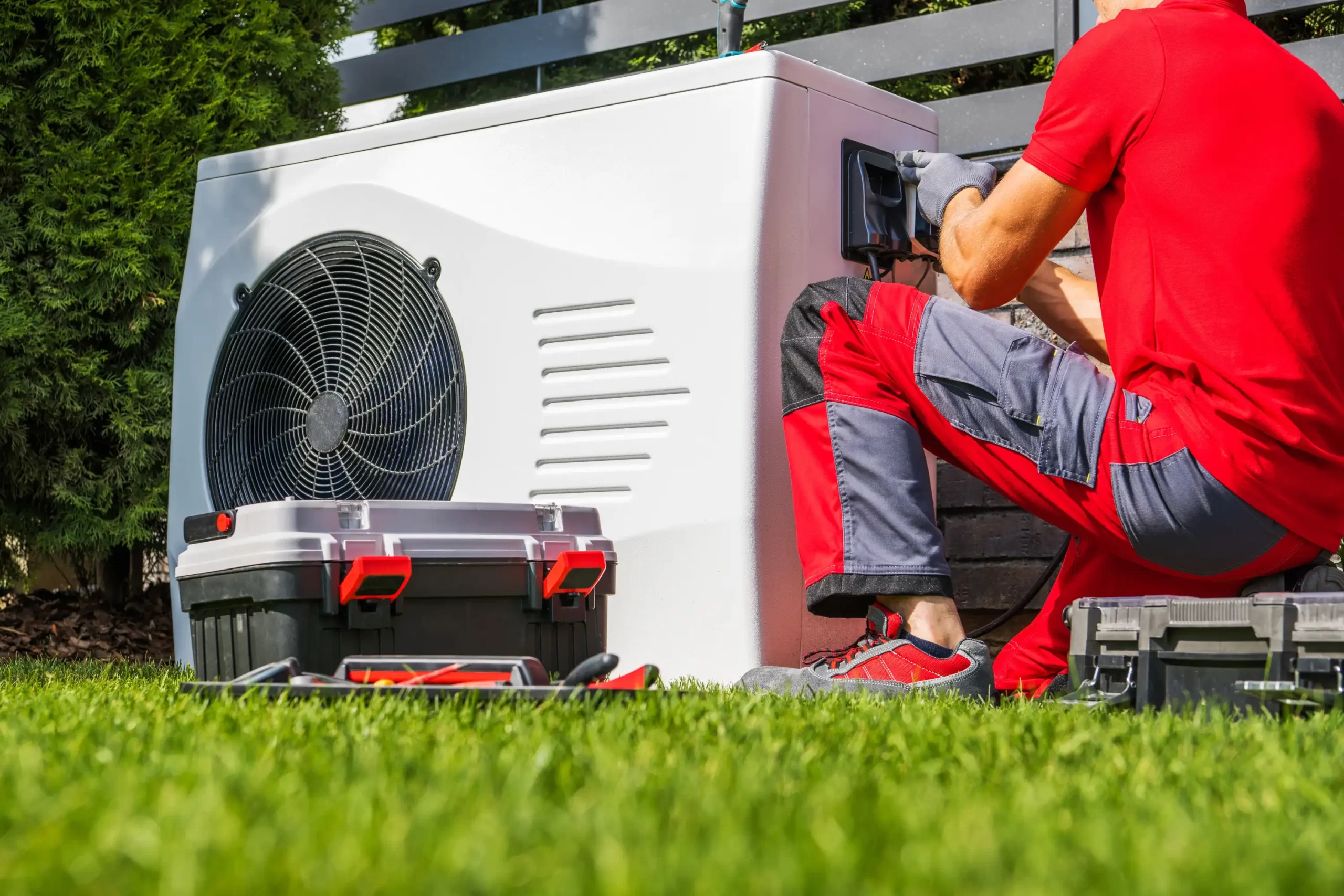
- Electric Heat Pumps
Electric heat pumps are one of the most popular pool heating options because of their energy efficiency and ability to maintain consistent water temperatures.
- How It Works: Electric heat pumps don’t generate heat directly; instead, they use electricity to capture heat from the outside air and transfer it to the pool water. This makes them energy-efficient in warmer climates where there is sufficient ambient air temperature.
- Pros:
- Energy Efficient: They use the surrounding air to heat the pool, so they consume less electricity than electric resistance heaters.
- Cost-Effective: Although more expensive upfront, electric heat pumps are cheaper to run than gas heaters, especially in moderate climates.
- Reliable Performance: Provides steady heating and works well in climates where temperatures remain above 10°C (50°F).
- Cons:
- Slower Heating: Heat pumps take longer to heat the pool compared to gas heaters, so they are better suited for maintaining heat rather than quickly raising the temperature.
- Temperature Dependent: Their efficiency drops in cooler weather, so they are less effective in cold climates.
Best For: Pool owners in warmer climates or regions with mild winters who want an energy-efficient and environmentally friendly option for maintaining pool temperatures.
- Inverter Heat Pumps
Inverter heat pumps are an advanced version of traditional electric heat pumps and provide even greater energy efficiency and temperature control.
- How It Works: Inverter heat pumps work similarly to standard electric heat pumps but use inverter technology to adjust the compressor speed. This allows the heat pump to operate at varying speeds depending on the heating demand, which greatly reduces energy consumption.
- Pros:
- Extremely Energy Efficient: Inverter heat pumps are even more energy-efficient than regular heat pumps because they only use the energy required to maintain the desired temperature.
- Precise Temperature Control: They provide more consistent temperature regulation and can quickly ramp up or down to maintain the set temperature.
- Quieter Operation: Inverter heat pumps are quieter than traditional heat pumps since they don’t need to run at full capacity all the time.
- Works in Cooler Weather: More effective in cooler temperatures compared to standard heat pumps, making them ideal for a broader range of climates.
- Cons:
- Higher Upfront Cost: Inverter heat pumps are more expensive to purchase initially than traditional heat pumps.
- Longer Payback Period: While they save on energy costs, the higher upfront investment may take time to recoup.
Best For: Homeowners who want the most energy-efficient heating system with superior performance and quiet operation, even in cooler climates.
- Gas Heaters
Gas heaters are known for their ability to quickly heat a pool, making them a great choice for people who want fast heating for short periods.
- How It Works: Gas heaters use natural gas or propane to generate heat, which is then transferred to the pool water as it passes through the heater. They are very effective at raising the temperature quickly, regardless of the weather.
- Pros:
- Fast Heating: Gas heaters can quickly raise the water temperature, making them ideal for pools that are used infrequently or when you need immediate heating.
- Not Weather Dependent: Gas heaters work well in all weather conditions, so they are a reliable option for cooler climates or areas with short swimming seasons.
- Ideal for Spas: They can heat smaller volumes of water, like spas or hot tubs, very quickly.
- Cons:
- Expensive to Run: Gas heaters can be costly to operate, especially in regions where gas prices are high or when used frequently.
- Less Energy Efficient: They are less efficient than heat pumps and solar systems, which can lead to higher long-term costs.
- Environmental Impact: Gas heaters burn fossil fuels, which contributes to carbon emissions and makes them less environmentally friendly than other heating options.
Best For: Pool owners who need fast heating, such as for weekend use, colder climates, or those with spas or hot tubs who prioritize quick heat-up times over energy efficiency.
- Solar Pool Heating
Solar pool heating is one of the most eco-friendly and cost-effective ways to heat your pool, using free energy from the sun.
- How It Works: Solar pool heaters use panels or collectors to capture heat from the sun. Pool water is circulated through the solar panels, where it is heated by the sun and then returned to the pool. Solar heaters are powered by the pool’s filtration system, so there are no additional fuel costs.
- Pros:
- Eco-Friendly: Solar heating is the most environmentally friendly option since it relies on renewable energy from the sun, producing no emissions.
- Low Operating Costs: Once installed, the system runs on free solar energy, making it almost cost-free to operate after the initial installation.
- Extended Swimming Season: Solar heaters can extend your swimming season by keeping the pool warm during the spring and fall months.
- Cons:
- Weather Dependent: Solar heating is reliant on sunlight, so it is less effective on cloudy or rainy days, or in regions with limited sun exposure.
- Slow Heating: Solar systems take longer to heat the pool compared to gas heaters and may not provide sufficient warmth during cooler months.
- High Initial Cost: While operational costs are low, the initial investment in solar panels and installation can be expensive.
Best For: Environmentally conscious homeowners in sunny climates who want a low-cost, long-term pool heating solution and don’t need immediate or rapid heating.
Which Pool Heating Option Is Right for You?
- Electric Heat Pumps: Ideal for homeowners in mild to warm climates who prioritize energy efficiency and consistent heating but don’t mind slower heat-up times.
- Inverter Heat Pumps: Best for those looking for the ultimate in energy efficiency, quiet operation, and precise temperature control, even in cooler weather.
- Gas Heaters: Great for pool owners who want fast heating or live in cooler climates where the pool isn’t used year-round. Also perfect for spas or hot tubs.
- Solar Pool Heating: The best choice for eco-friendly homeowners who want a long-term, cost-effective solution and live in sunny regions.
Conclusion
Each pool heating system offers unique advantages depending on your needs, climate, and budget. Electric heat pumps and inverter heat pumps provide energy efficiency and consistent heating, making them ideal for regular pool use. Gas heaters are perfect for fast, on-demand heating but come with higher operational costs. Solar heating is the most eco-friendly and cost-effective in the long run but depends on your access to sunlight. By understanding your specific pool heating needs, you can choose the system that will keep your pool warm and ready for swimming all season long.